
























سروس ہاٹ لائن
خبریں

خبریں
MEMS انڈسٹری چین (2)
2022-03-17
1155
3. The development of domestic MEMS sensor companies faces certain technical challenges.
چین کی MEMS صنعت بیرون ملک سے زیادہ دیر سے شروع نہیں ہوئی۔ ڈیزائن، مینوفیکچرنگ اور پیکیجنگ کے نقطہ نظر سے، موجودہ تکنیکی حالات نے ابتدائی طور پر MEMS ڈیزائن، پروسیسنگ، پیکیجنگ اور ٹیسٹنگ کے لیے ایک ون اسٹاپ سسٹم تشکیل دیا ہے، جو میرے ملک کی MEMS ٹیکنالوجی کی مزید ترقی کو یقینی بنانے کے لیے ایک بہتر پلیٹ فارم فراہم کرتا ہے۔ تاہم، تاریخی وجوہات کی بنا پر قوتوں کے بکھرنے اور منتشر ہونے کی وجہ سے، سرمایہ کاری کی شدید کمی کے ساتھ، اگرچہ بہت سی کامیابیاں حاصل ہوئی ہیں، لیکن معیار، کارکردگی-قیمت کے تناسب، اور کمرشلائزیشن کے حوالے سے غیر ملکی ممالک کے ساتھ ایک بڑا خلا باقی ہے۔ MEMS ٹیکنالوجی کی تحقیق اور ترقی کے لیے نسبتاً طویل سرمایہ کاری کی ضرورت ہوتی ہے۔ ایک سینسر کی تحقیق اور ترقی میں عام طور پر 6-8 سال لگتے ہیں۔ اس کے علاوہ، انڈسٹری چین میں جانچ اور تعارف کا وقت عام طور پر بیس سال کے قریب لگتا ہے۔ اس کے علاوہ، مصنوعات کی قیمت مصنوعات کی اہمیت یا ترقی کی دشواری کے براہ راست متناسب نہیں ہے، جس کے نتیجے میں چینی MEMS کمپنیاں قیمت کی جنگ سے فائدہ اٹھانے سے قاصر ہیں۔ لہذا، چینی کمپنیوں کو اپنی صنعتی سلسلہ کی معاونت کی صلاحیتوں کو بہتر بنانے اور اپ اسٹریم اور ڈاون اسٹریم تعاون کو مضبوط کرنے کی ضرورت ہے۔ ایک ہی وقت میں، انہیں MEMS آلات میں نئے مواد اور مربوط ٹیکنالوجیز میں پیش رفت کو فعال طور پر تلاش کرنے اور مارکیٹ کے نئے مواقع تلاش کرنے کی ضرورت ہے۔
اپ اسٹریم R&D ڈیزائن یونیورسٹیوں، سائنسی تحقیقی اداروں اور R&D پائلٹ پلیٹ فارم پر مرکوز ہے۔ MEMS ٹیکنالوجی میں بہت سے شعبے شامل ہیں جیسے مائیکرو الیکٹرانکس، مشینری، مواد، کیمسٹری، اور فزکس۔ یہ انتہائی بین الضابطہ ہے، تحقیق کرنا مشکل ہے، اور اس کا ایک طویل ڈیزائن سائیکل ہے۔ بڑے پیمانے پر پیداوار حاصل کرنے میں اکثر کئی سال لگتے ہیں۔ فی الوقت، کمپنی کے پاس کچھ اختراعی صلاحیتیں ہیں، لیکن اس کا کاروبار اوورلیپ زیادہ ہے، اس کی مصنوعات وسط سے کم آخر تک پوزیشن میں ہیں، اور صنعت کی مجموعی آمدنی کم ہے۔ MEMS ڈیزائن صنعتی سلسلہ میں ایک اعلیٰ ویلیو ایڈڈ لنک ہے۔ گھریلو انٹرپرائز مصنوعات بنیادی طور پر مکینیکل سینسرز ہیں، جو مارکیٹ میں درمیانی سے نچلی سطح پر ہیں۔
مڈ اسٹریم مینوفیکچرنگ میں، MEMS کی بنیادی مادی خصوصیات، جیسے ساختی مکینیکل خصوصیات اور مادی کیمیائی خصوصیات، بنیادی عوامل ہیں جو مصنوعات کی کارکردگی کا تعین کرتے ہیں۔ لہذا، MEMS آلات مختلف عملوں اور متغیرات پر انحصار کرتے ہیں۔ ایک MEMS پروڈکٹ اکثر پراسیس اسمبلی لائن سے مماثل ہوتا ہے، اور R&D ٹیم کو عام طور پر اسے کمرشلائز کرنے سے پہلے سالوں میں بہتری اور جانچ کی ضرورت ہوتی ہے۔ MEMS فاؤنڈری کو تین اقسام میں تقسیم کیا جا سکتا ہے: پائلٹ لائن، IC فاؤنڈری اور MEMS پروفیشنل فاؤنڈری۔ زیادہ تر پائلٹ لائنز یونیورسٹیوں اور سائنسی تحقیقی اداروں پر مبنی ہیں۔ وہ مشترکہ صنعتی ٹیکنالوجیز کے لیے تحقیق اور ترقی کے پلیٹ فارم کے طور پر کام کرتے ہیں۔ وہ منافع کے لیے نہیں ہیں اور ان کی پیداواری صلاحیت محدود ہے۔ آئی سی فاؤنڈریوں کا MEMS کاروبار اپنے ابتدائی دور میں ہے اور اس کی صلاحیتیں نسبتاً کمزور ہیں۔ ایک خاص پیمانے کے ساتھ گھریلو ڈیزائن کمپنیاں بنیادی طور پر غیر ملکی فاؤنڈری کا انتخاب کرتی ہیں۔ پیشہ ور OEMs آہستہ آہستہ حصول سے خود ساختہ کی طرف بڑھ رہے ہیں۔ مثال کے طور پر، 2015 کے آخر میں، گھریلو مینوفیکچرر نیوی ٹیکنالوجی نے سویڈش MEMS فاؤنڈری Silex Microsystems حاصل کی، اس طرح دنیا کی معروف MEMS فاؤنڈری ٹیکنالوجی میں مہارت حاصل کر لی۔ 2019 میں، ہینکنگ مائیکرو الیکٹرانکس اور ژیان ریڈ مائیکرو سسٹم جیسی متعدد کمپنیوں نے یکے بعد دیگرے MEMS پروڈکشن لائنز کا آغاز کیا اور پیشہ ورانہ MEMS فاؤنڈری کے میدان میں داخل ہوئے۔
پیکیجنگ ٹیکنالوجی زیادہ تر انٹیگریٹڈ سرکٹ پیکیجنگ ٹیکنالوجی سے آتی ہے، لیکن MEMS مصنوعات زیادہ بکثرت ہیں، اس لیے ٹیکنالوجی زیادہ پیچیدہ اور مشکل ہے، جس کی وجہ سے پیکیجنگ ٹیکنالوجی ایک ایسا علاقہ بن گئی ہے جہاں بڑی آؤٹ سورس سیمی کنڈکٹر پیکیجنگ اور ٹیسٹنگ فیکٹریاں آگے بڑھنے کی کوشش کرتی ہیں۔ پیکیجنگ اور مینوفیکچرنگ کے عمل میں، چین کے دیر سے شروع ہونے کی وجہ سے، مینوفیکچرنگ کی صلاحیتوں اور مینوفیکچرنگ طاقتوں جیسے ریاستہائے متحدہ، جاپان اور جرمنی کی درستگی کے درمیان اب بھی ایک خاص فرق باقی ہے۔ تیار کردہ MEMS سینسرز کی عمر کم اور درستگی اور معیار کی ناہمواری ہے، جس کے نتیجے میں مصنوعات کی مسابقت کم ہے۔ اگرچہ گھریلو MEMS فاؤنڈری بڑے بین الاقوامی مینوفیکچررز سے پیچھے ہے، پیکیجنگ اور ٹیسٹنگ ٹیکنالوجی پہلے شروع ہوئی تھی، اس نے اچھے نتائج حاصل کیے ہیں، اور بین الاقوامی سطح پر مسابقتی بن گئی ہے۔ ان میں سے، Goertek اور AAC ٹیکنالوجیز، جن کی اہم مصنوعات MEMS مائیکروفون ہیں، کے پاس ایک مخصوص پریمیم جگہ ہے کیونکہ ان کا کاروباری ماڈل غیر ملکی ڈیزائن مینوفیکچررز سے MEMS پروڈکٹ IP خریدنا، OEM مینوفیکچرنگ کو سونپنا اور پھر مصنوعات کی پیکیجنگ، جانچ اور فروخت خود مکمل کرنا ہے۔ لہذا، وہ اب دنیا کی سرفہرست 30 MEMS کمپنیوں میں شامل ہیں۔
Among the downstream application industries, consumer electronics is the largest market, mainly due to the rapid growth of smartphones, wearable devices and other markets in recent years, and the rapid development of domestic smart device manufacturers such as Huawei, Xiaomi, and vivo. Next is automotive electronics. Automotive intelligence requires high-precision sensing equipment. Downstream domestic automakers such as BYD, NIO, and Xiaopeng are also developing rapidly. In addition, there are also fast-growing downstream application industries such as medical equipment, Industry 4.0, and the Internet of Things. Downstream demand companies in the domestic industrial chain are developing rapidly and have good momentum. However, core technologies still require foreign support and independent research and development capabilities are relatively poor. Enterprises have realized the importance of independent innovation capabilities and continue to make efforts.
4. MEMS صنعت میں سرمائے کے بہاؤ میں نمایاں اضافہ ہوا ہے۔
Since the MEMS industry is the foundation for the development of science and technology in the new era and has strong policy support, investment and financing cases in China's MEMS industry have increased year by year, both in terms of quantity and amount. Judging from the amount, the investment amount in 2019 was about twice that of 2018. Although the overall investment in the primary market has been cold, the investment enthusiasm in the MEMS industry has continued unabated.
ذیلی تقسیم شدہ شعبوں کے نقطہ نظر سے، MEMS+AI کے چار شعبوں، ریڈیو فریکوئنسی MEMS، optoelectronic MEMS، اور حیاتیاتی MEMS میں سرمایہ کاری کے معاملات کی سب سے زیادہ تعداد اور رقم ہے۔ سرمایہ کاری کی تعداد اور رقم میں خاطر خواہ اضافہ اس بات کی نشاندہی کرتا ہے کہ کیپٹل مارکیٹ MEMS صنعت پر زیادہ توجہ دے رہی ہے۔ جغرافیائی تقسیم کے لحاظ سے، بیجنگ، گوانگ ڈونگ، شنگھائی، جیانگ اور جیانگ سو سرمایہ کاری کے معاملات کی تعداد کے لحاظ سے پہلے نمبر پر ہیں۔
تصویر 16 2017 سے 2019 تک چین کی MEMS صنعت کی سرمایہ کاری اور مالیاتی صورتحال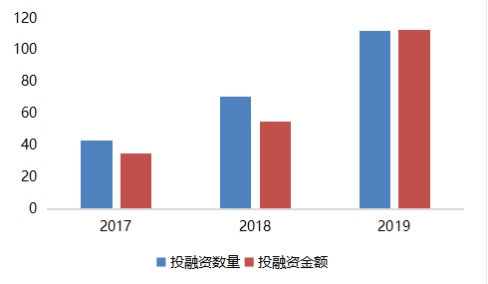 ماخذ: CCID کنسلٹنگ، Guotai Junan Securities Research Figure 17 Investment and financing amounts in China’s MEMS industry segments in 2019
 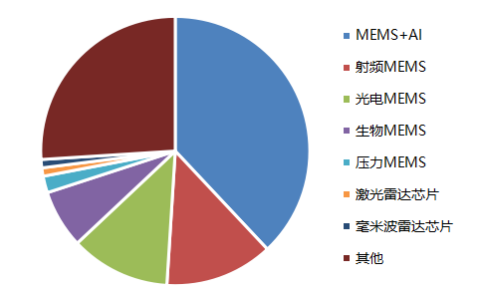 ماخذ: CCID کنسلٹنگ، Guotai Junan Securities Research
Upstream chip design companies focus on the design of MEMS chips and their product structures. After completing the design, they hand it over to third-party wafer factories to produce MEMS chips. After packaging and testing, they can be shipped to customers in consumer electronics, automobiles, medical and industrial control and other application fields. At present, the MEMS manufacturing processes of domestic companies are mainly in the 0.25-1 micron range. The manufacturing process is not a constraint on the industrial chain. Function and structure are relatively more important.
Figure 18 MEMS industry chain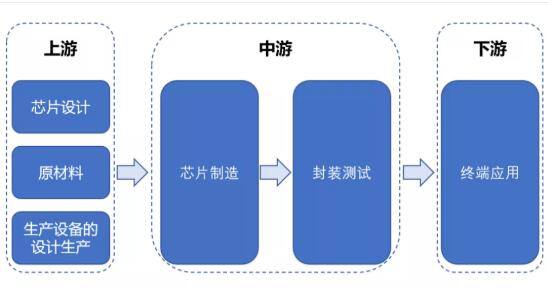 ماخذ: گوٹائی جونان سیکیورٹیز ریسرچ
There are two main modes of midstream production: Fabless and IDM. The Fabless model is currently the mainstream production model and is a design-oriented vertical division of labor model. The company is mainly responsible for the design and sales of MEMS products, and outsources production, testing, packaging and other links. Typical companies include Knowles, HP, Canon, etc.;
Figure 19: Downstream development of the MEMS industry chain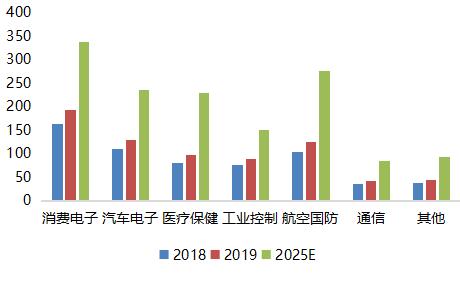 ماخذ: یول ڈویلپمنٹ، گوٹائی جونان سیکیورٹیز ریسرچ
Downstream manufacturers can be mainly classified into two categories: one is the manufacturer that provides solutions, provides products with flexible customized support according to downstream needs, and then sells them to terminal manufacturers for use through simple software debugging; the other is the manufacturer that provides terminal products, which generally focus on specific fields, but have higher R&D costs and longer R&D cycles. The first type of manufacturers is more suitable for products in the mass consumer market, while the second type of manufacturers is more suitable for products in specialized fields.
Figure 20 China’s MEMS market application structure in 2019 (%)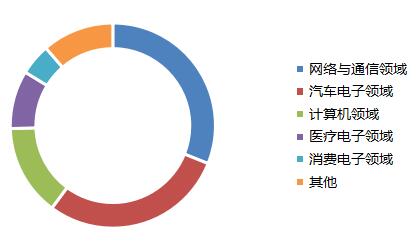 ماخذ: CCID کنسلٹنگ، Guotai Junan Securities Research
MEMS upstream suppliers mainly provide raw materials, mainly silicon-based materials. The materials used in MEMS are basically the same as those of traditional semiconductors. The supply market has matured and competition is fierce, forming a buyer's market. When MEMS sensor suppliers face large foundry customers and foundry customer groups, these foundry manufacturers rely on their strong market influence and require suppliers to provide lower-priced raw materials. However, in the past two years, due to the price increase of raw materials and the limitation of wafer production capacity, the wafer link of MEMS has been restricted. Conventional 6-inch and 8-inch products are generally out of stock, and the bargaining power of suppliers has increased. It can be seen that the bargaining power of suppliers is greatly affected by market supply.
2. خریداروں کے پاس اعلی سودے بازی کی طاقت ہے۔
MEMS companies have increased their scientific research efforts and improved their core competitiveness, resulting in rapid technological development, accelerated product upgrading, and accelerated price reductions. The rapid development of the Internet of Things and the accelerated upgrading of the consumer electronics market have caused many companies to join the market and competition has become increasingly fierce. This has gradually reduced prices in the terminal consumer market, and manufacturers and developers have to lower selling prices. At the same time, the expansion of the terminal consumer market has increased the size of terminal sellers and improved the bargaining power of buyers. In addition, since most domestic companies specialize in mid- to low-end products, they are also faced with a large number of competitors and need to maintain market share through price wars. It can be seen that the bargaining power of buyers is relatively high.
3. نئے داخل ہونے والوں کے لیے موجودہ شعبوں میں مقابلہ کرنا مشکل ہے۔
The MEMS sensor industry has high barriers. The first is the financial barrier. Due to the non-standardized nature of products, MEMS companies cannot support a certain product through a single process. In addition to using silicon materials, there are no common basic components, which means that each MEMS product requires a different process. An enterprise often needs to carry out design and development, trial processing and manufacturing, quality testing and other steps for multiple products at the same time, requiring large-scale capital investment. Secondly, there are technical barriers. The design of MEMS requires the intersection of multiple disciplines, making the design difficult. During the processing, each type of product requires different processing techniques, and each process requires process development and optimization steps. At the same time, due to the lack of experience of new entrants, it is difficult to meet the accuracy and quality of processing, making processing difficult. Finally, there is the talent barrier. Due to their low reputation and weak ability to attract talents, new companies have difficulty in surpassing existing companies in terms of innovation capabilities and core competitiveness. However, with the continuous development of new technologies, the opening up of market segments and applications, the starting gap between all enterprises in these fields is not large, giving some new entrants development opportunities.
4. موجودہ حریفوں کے درمیان مقابلہ سخت ہے۔
اس وقت، امریکی کمپنیاں ملکی MEMS مارکیٹ شیئر کے نصف پر قابض ہیں۔ یورپی اور جاپانی کمپنیوں کے ساتھ مل کر، غیر ملکی کمپنیاں جیسے Broadcom، Bosch، STMicroelectronics، اور Texas Instruments ملکی مارکیٹ کی اکثریت پر قابض ہیں۔ بڑی لسٹڈ کمپنیوں کا جائزہ لیں تو صرف دو گھریلو سینسر کمپنیاں ہیں جن کی سالانہ آمدنی 10 بلین سے زیادہ ہے۔ یہ گھریلو سینسر کمپنیوں کی دیر سے ترقی اور مسابقت سے قریبی تعلق رکھتا ہے۔ میرے ملک کی گھریلو سپلائی کی گنجائش ناکافی ہے، خاص طور پر اعلیٰ درجے کی مصنوعات تقریباً مکمل طور پر درآمدات سے فراہم کی جاتی ہیں، اور 80% چپس غیر ممالک پر انحصار کرتی ہیں۔ بقیہ حصص صرف چند درج کمپنیوں کے ہاتھ میں مرکوز ہیں، جیسے Goertek Acoustics، Crystal Optoelectronics، Hanwei Electronics، Silan Micro اور Jinlong Electromechanical۔ پانچ کمپنیاں گھریلو MEMS مارکیٹ کے 40% سے زیادہ پر قابض ہیں۔ 70% گھریلو MEMS کمپنیاں چھوٹے اور درمیانے درجے کی کمپنیاں ہیں، اور ان کی مصنوعات بنیادی طور پر درمیانی اور نچلی سطح پر مرکوز ہیں۔ عام طور پر، چینی کاروباری اداروں کی موجودہ صورتحال یہ ہے کہ درمیانی سے کم کے آخر تک کی مصنوعات کے لیے مقابلہ سخت ہے، لیکن وہ اعلیٰ درجے کی مصنوعات کے مقابلے میں مسابقتی نہیں ہیں۔
5.بنیادی طور پر فی الحال متبادل کا کوئی خطرہ نہیں ہے۔
MEMS سینسر روایتی سینسر کے متبادل ہیں۔ روایتی سینسرز کے مقابلے میں، ان کے درج ذیل فوائد ہیں: چھوٹا، ہلکا وزن، اور کم توانائی کی کھپت۔ MEMS آلات سائز میں چھوٹے ہوتے ہیں، اور عام طور پر ایک واحد MEMS سینسر کا سائز ملی میٹر یا حتیٰ کہ مائکرون میں بھی ماپا جاتا ہے۔ ایک ہی وقت میں، چھوٹے میکانیکل اجزاء میں چھوٹی جڑتا، اعلی گونج کی فریکوئنسی، اور مختصر جوابی وقت کے فوائد ہوتے ہیں۔
اس کے علاوہ، MEMS سینسر بڑے پیمانے پر پیداوار کے لیے زیادہ موزوں ہیں، جو ایک MEMS کی پیداواری لاگت کو بہت کم کر سکتے ہیں۔ پروسیسنگ انضمام، ایک واحد MEMS اکثر نہ صرف مکینیکل سینسر کو پیک کرتا ہے، بلکہ MEMS چپ کے کنٹرول کو آسان بنانے کے لیے دیگر چپس کو بھی مربوط کرتا ہے۔ ذہین سینسرز میں انفارمیشن پروسیسنگ کے افعال ہوتے ہیں، اور سافٹ ویئر کے ذریعے مختلف غلطیوں کو درست کیا جا سکتا ہے، جو سینسر کی درستگی کو بہت بہتر بناتا ہے، سینسر کی وشوسنییتا کو بہتر بناتا ہے، اور پورے نظام کی مداخلت مخالف کارکردگی کو بہتر بناتا ہے۔ اسی درستگی کے تقاضوں کے تحت، ملٹی فنکشنل ذہین سینسرز ایک فنکشن والے عام سینسرز کے مقابلے میں نمایاں طور پر زیادہ کفایتی ہوتے ہیں، اور ملٹی فنکشنل ذہین سینسرز متعدد جامع پیرامیٹرز کی ملٹی سینسر پیمائش حاصل کر سکتے ہیں۔ مندرجہ بالا فوائد کی بنیاد پر، MEMS سینسر کے متبادل کا خطرہ بہت کم ہے۔
The MEMS industry was once dominated by the United States, the European Union, and Japan, and each had its own merits. The United States uses its military to promote civilians, leverages the synergy between military, government, industry, academia and research, and has a leading advantage in the comprehensive strength of MEMS technology; Japan has outstanding capabilities in MEMS for automotive electronics and MEMS for robots. Among the top 10 MEMS giants in the world, the number of Japan is consistent with that of the United States, but the scale of companies is slightly lower than that of the United States. The European Union occupies an important market share in MEMS for automotive electronics and MEMS for consumer electronics, and has more than 100 MEMS chip R&D and production institutions.
China's MEMS market has long been dominated by foreign manufacturers, which are relatively mature in all aspects of MEMS technology and have obvious advantages in service life and product accuracy. In 2019, the top ten manufacturers in China's MEMS market were Broadcom, Bosch, STMicroelectronics, Texas Instruments, QORVO, HP, Knowles, NXP, Goertek and TDK, of which US companies accounted for 54%. The Chinese company Goertek has squeezed into the top ten, and its MEMS revenue increased by 36% year-on-year in 2019, far exceeding other leading companies in the industry; AAC Technology ranked 22nd, with revenue increasing by 11% year-on-year, which is also higher than the overall industry level.
Figure 21 Manufacturer structure of China’s MEMS market in 2019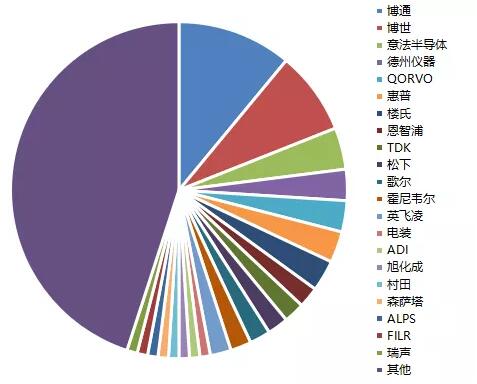 ماخذ: CCID کنسلٹنگ، Guotai Junan Securities Research
اس وقت، گھریلو MEMS سینسر مینوفیکچررز کا مجموعی پیمانہ بڑا نہیں ہے۔ سوائے Goertek اور AAC کے، جن کی سالانہ آمدنی 100 ملین امریکی ڈالر سے زیادہ ہے، مقامی MEMS سینسر مینوفیکچررز جیسے MEMSIC Semiconductor، Mattel Technology، اور Core Microelectronics سبھی کی سالانہ آمدنی 60 ملین امریکی ڈالر سے کم ہے، اور مجموعی پیمانے نسبتاً چھوٹا ہے۔ اس کے علاوہ، گھریلو مینوفیکچررز نسبتاً واحد پروڈکٹ کے زمرے چلاتے ہیں، زیادہ تر پروڈکٹ لائنوں میں صرف ایک پروڈکٹ لائن ہوتی ہے۔ ان میں سے زیادہ تر اجزاء فراہم کرنے والے ہیں، اور ان کے حل کی فراہمی کی صلاحیتیں ناقص ہیں۔ غیر ملکی مینوفیکچررز جیسے کہ بین الاقوامی کمپنیاں Invensense اور Infineon کے پاس 2 سے 3 پروڈکٹ لائنز ہیں، جبکہ Bosch، Denso، STMicroelectronics اور دیگر MEMS پروڈکٹ لائنز 4 سے زیادہ ہیں اور ان میں مربوط حل فراہم کرنے کی صلاحیت ہے۔ اس کے برعکس، چھوٹے سپلائرز کے لیے قلیل مدت میں بڑے پیمانے پر پیداوار اور مینوفیکچرنگ حاصل کرنا مشکل ہے۔ لہذا، بڑے بڑے سپلائرز کا مارکیٹ شیئر نسبتاً مستحکم ہے اور مارکیٹ کا ارتکاز زیادہ ہے۔
2. گھریلو اداروں کا KSF تجزیہ
سب سے پہلے، کمپنی کی R&D صلاحیتیں گھریلو متبادل کامیابیوں کا مرکز ہیں۔ اس وقت، گھریلو MEMS R&D زیادہ تر تحقیقی اداروں اور یونیورسٹیوں میں منعقد کیا جاتا ہے، اور کاروباری اداروں کی R&D صلاحیتیں نسبتاً کم ہیں۔ چونکہ MEMS انڈسٹری نئی ٹیکنالوجی کی بنیاد ہے، اس لیے مارکیٹ میں قدم جمانے کے لیے نئی مصنوعات یا بڑی بہتری اس کے لیے اہم طریقے ہیں۔ لہذا، ان کی اپنی بنیادی مسابقت کے ساتھ اختراعی کمپنیاں توجہ کے لائق ہیں۔ مثال کے طور پر، Goertek مائیکرو مائیکرو فونز کے شعبے میں ایک سرکردہ کمپنی ہے۔ Suzhou Gutech کے ذیلی ادارے کا ایکسلرومیٹر سینسر گھریلو فروخت میں پہلے نمبر پر ہے۔ Weisheng ٹیکنالوجی کے گیس سینسر، Hanwei Electronics کی ذیلی کمپنی، نے مرحلہ وار نتائج حاصل کیے ہیں اور اسے گیس کا پتہ لگانے والی مصنوعات، سمارٹ پہننے کے قابل آلات وغیرہ پر لاگو کیا جا سکتا ہے۔
دوم، انٹرپرائزز کی ڈاون اسٹریم مینوفیکچررز کے ساتھ مستحکم تعاون کرنے کی صلاحیت مصنوعات کی مسلسل تکرار کی کلید ہے۔ گھریلو مانگ بہت زیادہ ہے۔ بہترین گھریلو مینوفیکچررز کے بڑے گھریلو اداروں کے ساتھ تعاون کرنے میں موروثی فوائد ہیں۔ تاہم، گھریلو مینوفیکچررز بنیادی طور پر Fabless فارمیٹ میں ہیں۔ IDM کمپنیوں کے مقابلے میں، سپلائی چین اور سیلز چین کامل نہیں ہیں، اور مستحکم upstream اور downstream مینوفیکچررز کی کمی ایک بڑا مسئلہ ہے۔ لہٰذا، مکمل صنعتی زنجیروں والی کمپنیاں اور بڑی ڈاون اسٹریم کمپنیوں کے ساتھ مستحکم تعاون کے ساتھ ساتھ طویل وجود اور مکمل نظام والی کمپنیاں بھی توجہ کے لائق ہیں۔ اس کے علاوہ، چپ ڈیزائن اور سپلائی کی صلاحیتیں MEMS سینسرز کے لیے تکنیکی تکرار اور اختراعات سے نمٹنے کی بنیاد ہیں۔ لہذا، MEMS فیلڈ میں R&D اور ڈیزائن پر توجہ مرکوز کرنے والے گھریلو سیمی کنڈکٹر مینوفیکچررز کے پاس درآمدی متبادل اور اختراع کے وسیع بازار مواقع ہیں۔
آخر میں، کمپنی کی مضبوط سرمایہ کی توثیق بھی تیز رفتار ترقی کے لیے محرک قوتوں میں سے ایک ہے۔ چونکہ MEMS کمپنیاں ابتدائی ترقی میں بہت زیادہ سرمایہ کاری کرتی ہیں، اس لیے منافع کمانا مشکل ہوتا ہے، اور انہیں ترقی کے لیے مزید فنڈز، ہنر اور دیگر وسائل کی ضرورت ہوتی ہے۔ بڑی کمپنیوں کے تعاون یا مضبوط سرمایہ کاری کے پس منظر والی کمپنیاں زیادہ تیزی سے ترقی کر سکتی ہیں۔
اہم نتیجہ دو:The driving conditions for the development of the MEMS sensor industry are good, including policy support, demand growth, abundant supply, capital attention, and technology iteration. However, there is still room for improvement in the process level of the industry chain. Considering that although international leaders have higher gross profit margins than domestic manufacturers, their products are priced higher, giving domestic companies a certain amount of room for growth. At the same time, due to the customized nature of MEMS, some domestic companies are expected to achieve technological breakthroughs in new subdivisions.
چین کی MEMS صنعت بیرون ملک سے زیادہ دیر سے شروع نہیں ہوئی۔ ڈیزائن، مینوفیکچرنگ اور پیکیجنگ کے نقطہ نظر سے، موجودہ تکنیکی حالات نے ابتدائی طور پر MEMS ڈیزائن، پروسیسنگ، پیکیجنگ اور ٹیسٹنگ کے لیے ایک ون اسٹاپ سسٹم تشکیل دیا ہے، جو میرے ملک کی MEMS ٹیکنالوجی کی مزید ترقی کو یقینی بنانے کے لیے ایک بہتر پلیٹ فارم فراہم کرتا ہے۔ تاہم، تاریخی وجوہات کی بنا پر قوتوں کے بکھرنے اور منتشر ہونے کی وجہ سے، سرمایہ کاری کی شدید کمی کے ساتھ، اگرچہ بہت سی کامیابیاں حاصل ہوئی ہیں، لیکن معیار، کارکردگی-قیمت کے تناسب، اور کمرشلائزیشن کے حوالے سے غیر ملکی ممالک کے ساتھ ایک بڑا خلا باقی ہے۔ MEMS ٹیکنالوجی کی تحقیق اور ترقی کے لیے نسبتاً طویل سرمایہ کاری کی ضرورت ہوتی ہے۔ ایک سینسر کی تحقیق اور ترقی میں عام طور پر 6-8 سال لگتے ہیں۔ اس کے علاوہ، انڈسٹری چین میں جانچ اور تعارف کا وقت عام طور پر بیس سال کے قریب لگتا ہے۔ اس کے علاوہ، مصنوعات کی قیمت مصنوعات کی اہمیت یا ترقی کی دشواری کے براہ راست متناسب نہیں ہے، جس کے نتیجے میں چینی MEMS کمپنیاں قیمت کی جنگ سے فائدہ اٹھانے سے قاصر ہیں۔ لہذا، چینی کمپنیوں کو اپنی صنعتی سلسلہ کی معاونت کی صلاحیتوں کو بہتر بنانے اور اپ اسٹریم اور ڈاون اسٹریم تعاون کو مضبوط کرنے کی ضرورت ہے۔ ایک ہی وقت میں، انہیں MEMS آلات میں نئے مواد اور مربوط ٹیکنالوجیز میں پیش رفت کو فعال طور پر تلاش کرنے اور مارکیٹ کے نئے مواقع تلاش کرنے کی ضرورت ہے۔
اپ اسٹریم R&D ڈیزائن یونیورسٹیوں، سائنسی تحقیقی اداروں اور R&D پائلٹ پلیٹ فارم پر مرکوز ہے۔ MEMS ٹیکنالوجی میں بہت سے شعبے شامل ہیں جیسے مائیکرو الیکٹرانکس، مشینری، مواد، کیمسٹری، اور فزکس۔ یہ انتہائی بین الضابطہ ہے، تحقیق کرنا مشکل ہے، اور اس کا ایک طویل ڈیزائن سائیکل ہے۔ بڑے پیمانے پر پیداوار حاصل کرنے میں اکثر کئی سال لگتے ہیں۔ فی الوقت، کمپنی کے پاس کچھ اختراعی صلاحیتیں ہیں، لیکن اس کا کاروبار اوورلیپ زیادہ ہے، اس کی مصنوعات وسط سے کم آخر تک پوزیشن میں ہیں، اور صنعت کی مجموعی آمدنی کم ہے۔ MEMS ڈیزائن صنعتی سلسلہ میں ایک اعلیٰ ویلیو ایڈڈ لنک ہے۔ گھریلو انٹرپرائز مصنوعات بنیادی طور پر مکینیکل سینسرز ہیں، جو مارکیٹ میں درمیانی سے نچلی سطح پر ہیں۔
مڈ اسٹریم مینوفیکچرنگ میں، MEMS کی بنیادی مادی خصوصیات، جیسے ساختی مکینیکل خصوصیات اور مادی کیمیائی خصوصیات، بنیادی عوامل ہیں جو مصنوعات کی کارکردگی کا تعین کرتے ہیں۔ لہذا، MEMS آلات مختلف عملوں اور متغیرات پر انحصار کرتے ہیں۔ ایک MEMS پروڈکٹ اکثر پراسیس اسمبلی لائن سے مماثل ہوتا ہے، اور R&D ٹیم کو عام طور پر اسے کمرشلائز کرنے سے پہلے سالوں میں بہتری اور جانچ کی ضرورت ہوتی ہے۔ MEMS فاؤنڈری کو تین اقسام میں تقسیم کیا جا سکتا ہے: پائلٹ لائن، IC فاؤنڈری اور MEMS پروفیشنل فاؤنڈری۔ زیادہ تر پائلٹ لائنز یونیورسٹیوں اور سائنسی تحقیقی اداروں پر مبنی ہیں۔ وہ مشترکہ صنعتی ٹیکنالوجیز کے لیے تحقیق اور ترقی کے پلیٹ فارم کے طور پر کام کرتے ہیں۔ وہ منافع کے لیے نہیں ہیں اور ان کی پیداواری صلاحیت محدود ہے۔ آئی سی فاؤنڈریوں کا MEMS کاروبار اپنے ابتدائی دور میں ہے اور اس کی صلاحیتیں نسبتاً کمزور ہیں۔ ایک خاص پیمانے کے ساتھ گھریلو ڈیزائن کمپنیاں بنیادی طور پر غیر ملکی فاؤنڈری کا انتخاب کرتی ہیں۔ پیشہ ور OEMs آہستہ آہستہ حصول سے خود ساختہ کی طرف بڑھ رہے ہیں۔ مثال کے طور پر، 2015 کے آخر میں، گھریلو مینوفیکچرر نیوی ٹیکنالوجی نے سویڈش MEMS فاؤنڈری Silex Microsystems حاصل کی، اس طرح دنیا کی معروف MEMS فاؤنڈری ٹیکنالوجی میں مہارت حاصل کر لی۔ 2019 میں، ہینکنگ مائیکرو الیکٹرانکس اور ژیان ریڈ مائیکرو سسٹم جیسی متعدد کمپنیوں نے یکے بعد دیگرے MEMS پروڈکشن لائنز کا آغاز کیا اور پیشہ ورانہ MEMS فاؤنڈری کے میدان میں داخل ہوئے۔
پیکیجنگ ٹیکنالوجی زیادہ تر انٹیگریٹڈ سرکٹ پیکیجنگ ٹیکنالوجی سے آتی ہے، لیکن MEMS مصنوعات زیادہ بکثرت ہیں، اس لیے ٹیکنالوجی زیادہ پیچیدہ اور مشکل ہے، جس کی وجہ سے پیکیجنگ ٹیکنالوجی ایک ایسا علاقہ بن گئی ہے جہاں بڑی آؤٹ سورس سیمی کنڈکٹر پیکیجنگ اور ٹیسٹنگ فیکٹریاں آگے بڑھنے کی کوشش کرتی ہیں۔ پیکیجنگ اور مینوفیکچرنگ کے عمل میں، چین کے دیر سے شروع ہونے کی وجہ سے، مینوفیکچرنگ کی صلاحیتوں اور مینوفیکچرنگ طاقتوں جیسے ریاستہائے متحدہ، جاپان اور جرمنی کی درستگی کے درمیان اب بھی ایک خاص فرق باقی ہے۔ تیار کردہ MEMS سینسرز کی عمر کم اور درستگی اور معیار کی ناہمواری ہے، جس کے نتیجے میں مصنوعات کی مسابقت کم ہے۔ اگرچہ گھریلو MEMS فاؤنڈری بڑے بین الاقوامی مینوفیکچررز سے پیچھے ہے، پیکیجنگ اور ٹیسٹنگ ٹیکنالوجی پہلے شروع ہوئی تھی، اس نے اچھے نتائج حاصل کیے ہیں، اور بین الاقوامی سطح پر مسابقتی بن گئی ہے۔ ان میں سے، Goertek اور AAC ٹیکنالوجیز، جن کی اہم مصنوعات MEMS مائیکروفون ہیں، کے پاس ایک مخصوص پریمیم جگہ ہے کیونکہ ان کا کاروباری ماڈل غیر ملکی ڈیزائن مینوفیکچررز سے MEMS پروڈکٹ IP خریدنا، OEM مینوفیکچرنگ کو سونپنا اور پھر مصنوعات کی پیکیجنگ، جانچ اور فروخت خود مکمل کرنا ہے۔ لہذا، وہ اب دنیا کی سرفہرست 30 MEMS کمپنیوں میں شامل ہیں۔
Among the downstream application industries, consumer electronics is the largest market, mainly due to the rapid growth of smartphones, wearable devices and other markets in recent years, and the rapid development of domestic smart device manufacturers such as Huawei, Xiaomi, and vivo. Next is automotive electronics. Automotive intelligence requires high-precision sensing equipment. Downstream domestic automakers such as BYD, NIO, and Xiaopeng are also developing rapidly. In addition, there are also fast-growing downstream application industries such as medical equipment, Industry 4.0, and the Internet of Things. Downstream demand companies in the domestic industrial chain are developing rapidly and have good momentum. However, core technologies still require foreign support and independent research and development capabilities are relatively poor. Enterprises have realized the importance of independent innovation capabilities and continue to make efforts.
4. MEMS صنعت میں سرمائے کے بہاؤ میں نمایاں اضافہ ہوا ہے۔
Since the MEMS industry is the foundation for the development of science and technology in the new era and has strong policy support, investment and financing cases in China's MEMS industry have increased year by year, both in terms of quantity and amount. Judging from the amount, the investment amount in 2019 was about twice that of 2018. Although the overall investment in the primary market has been cold, the investment enthusiasm in the MEMS industry has continued unabated.
ذیلی تقسیم شدہ شعبوں کے نقطہ نظر سے، MEMS+AI کے چار شعبوں، ریڈیو فریکوئنسی MEMS، optoelectronic MEMS، اور حیاتیاتی MEMS میں سرمایہ کاری کے معاملات کی سب سے زیادہ تعداد اور رقم ہے۔ سرمایہ کاری کی تعداد اور رقم میں خاطر خواہ اضافہ اس بات کی نشاندہی کرتا ہے کہ کیپٹل مارکیٹ MEMS صنعت پر زیادہ توجہ دے رہی ہے۔ جغرافیائی تقسیم کے لحاظ سے، بیجنگ، گوانگ ڈونگ، شنگھائی، جیانگ اور جیانگ سو سرمایہ کاری کے معاملات کی تعداد کے لحاظ سے پہلے نمبر پر ہیں۔
تصویر 16 2017 سے 2019 تک چین کی MEMS صنعت کی سرمایہ کاری اور مالیاتی صورتحال
ماخذ: CCID کنسلٹنگ، Guotai Junan Securities Research Figure 17 Investment and financing amounts in China’s MEMS industry segments in 2019 ماخذ: CCID کنسلٹنگ، Guotai Junan Securities Research China's design and foundry need to be strengthened, and packaging and testing are competitive
Upstream chip design companies focus on the design of MEMS chips and their product structures. After completing the design, they hand it over to third-party wafer factories to produce MEMS chips. After packaging and testing, they can be shipped to customers in consumer electronics, automobiles, medical and industrial control and other application fields. At present, the MEMS manufacturing processes of domestic companies are mainly in the 0.25-1 micron range. The manufacturing process is not a constraint on the industrial chain. Function and structure are relatively more important.
Figure 18 MEMS industry chain
ماخذ: گوٹائی جونان سیکیورٹیز ریسرچ There are two main modes of midstream production: Fabless and IDM. The Fabless model is currently the mainstream production model and is a design-oriented vertical division of labor model. The company is mainly responsible for the design and sales of MEMS products, and outsources production, testing, packaging and other links. Typical companies include Knowles, HP, Canon, etc.;
Figure 19: Downstream development of the MEMS industry chain
ماخذ: یول ڈویلپمنٹ، گوٹائی جونان سیکیورٹیز ریسرچ Downstream manufacturers can be mainly classified into two categories: one is the manufacturer that provides solutions, provides products with flexible customized support according to downstream needs, and then sells them to terminal manufacturers for use through simple software debugging; the other is the manufacturer that provides terminal products, which generally focus on specific fields, but have higher R&D costs and longer R&D cycles. The first type of manufacturers is more suitable for products in the mass consumer market, while the second type of manufacturers is more suitable for products in specialized fields.
Figure 20 China’s MEMS market application structure in 2019 (%)
ماخذ: CCID کنسلٹنگ، Guotai Junan Securities Research Development opportunities and challenges for domestic MEMS sensor companies coexist
MEMS upstream suppliers mainly provide raw materials, mainly silicon-based materials. The materials used in MEMS are basically the same as those of traditional semiconductors. The supply market has matured and competition is fierce, forming a buyer's market. When MEMS sensor suppliers face large foundry customers and foundry customer groups, these foundry manufacturers rely on their strong market influence and require suppliers to provide lower-priced raw materials. However, in the past two years, due to the price increase of raw materials and the limitation of wafer production capacity, the wafer link of MEMS has been restricted. Conventional 6-inch and 8-inch products are generally out of stock, and the bargaining power of suppliers has increased. It can be seen that the bargaining power of suppliers is greatly affected by market supply.
2. خریداروں کے پاس اعلی سودے بازی کی طاقت ہے۔
MEMS companies have increased their scientific research efforts and improved their core competitiveness, resulting in rapid technological development, accelerated product upgrading, and accelerated price reductions. The rapid development of the Internet of Things and the accelerated upgrading of the consumer electronics market have caused many companies to join the market and competition has become increasingly fierce. This has gradually reduced prices in the terminal consumer market, and manufacturers and developers have to lower selling prices. At the same time, the expansion of the terminal consumer market has increased the size of terminal sellers and improved the bargaining power of buyers. In addition, since most domestic companies specialize in mid- to low-end products, they are also faced with a large number of competitors and need to maintain market share through price wars. It can be seen that the bargaining power of buyers is relatively high.
3. نئے داخل ہونے والوں کے لیے موجودہ شعبوں میں مقابلہ کرنا مشکل ہے۔
The MEMS sensor industry has high barriers. The first is the financial barrier. Due to the non-standardized nature of products, MEMS companies cannot support a certain product through a single process. In addition to using silicon materials, there are no common basic components, which means that each MEMS product requires a different process. An enterprise often needs to carry out design and development, trial processing and manufacturing, quality testing and other steps for multiple products at the same time, requiring large-scale capital investment. Secondly, there are technical barriers. The design of MEMS requires the intersection of multiple disciplines, making the design difficult. During the processing, each type of product requires different processing techniques, and each process requires process development and optimization steps. At the same time, due to the lack of experience of new entrants, it is difficult to meet the accuracy and quality of processing, making processing difficult. Finally, there is the talent barrier. Due to their low reputation and weak ability to attract talents, new companies have difficulty in surpassing existing companies in terms of innovation capabilities and core competitiveness. However, with the continuous development of new technologies, the opening up of market segments and applications, the starting gap between all enterprises in these fields is not large, giving some new entrants development opportunities.
4. موجودہ حریفوں کے درمیان مقابلہ سخت ہے۔
اس وقت، امریکی کمپنیاں ملکی MEMS مارکیٹ شیئر کے نصف پر قابض ہیں۔ یورپی اور جاپانی کمپنیوں کے ساتھ مل کر، غیر ملکی کمپنیاں جیسے Broadcom، Bosch، STMicroelectronics، اور Texas Instruments ملکی مارکیٹ کی اکثریت پر قابض ہیں۔ بڑی لسٹڈ کمپنیوں کا جائزہ لیں تو صرف دو گھریلو سینسر کمپنیاں ہیں جن کی سالانہ آمدنی 10 بلین سے زیادہ ہے۔ یہ گھریلو سینسر کمپنیوں کی دیر سے ترقی اور مسابقت سے قریبی تعلق رکھتا ہے۔ میرے ملک کی گھریلو سپلائی کی گنجائش ناکافی ہے، خاص طور پر اعلیٰ درجے کی مصنوعات تقریباً مکمل طور پر درآمدات سے فراہم کی جاتی ہیں، اور 80% چپس غیر ممالک پر انحصار کرتی ہیں۔ بقیہ حصص صرف چند درج کمپنیوں کے ہاتھ میں مرکوز ہیں، جیسے Goertek Acoustics، Crystal Optoelectronics، Hanwei Electronics، Silan Micro اور Jinlong Electromechanical۔ پانچ کمپنیاں گھریلو MEMS مارکیٹ کے 40% سے زیادہ پر قابض ہیں۔ 70% گھریلو MEMS کمپنیاں چھوٹے اور درمیانے درجے کی کمپنیاں ہیں، اور ان کی مصنوعات بنیادی طور پر درمیانی اور نچلی سطح پر مرکوز ہیں۔ عام طور پر، چینی کاروباری اداروں کی موجودہ صورتحال یہ ہے کہ درمیانی سے کم کے آخر تک کی مصنوعات کے لیے مقابلہ سخت ہے، لیکن وہ اعلیٰ درجے کی مصنوعات کے مقابلے میں مسابقتی نہیں ہیں۔
5.بنیادی طور پر فی الحال متبادل کا کوئی خطرہ نہیں ہے۔
MEMS سینسر روایتی سینسر کے متبادل ہیں۔ روایتی سینسرز کے مقابلے میں، ان کے درج ذیل فوائد ہیں: چھوٹا، ہلکا وزن، اور کم توانائی کی کھپت۔ MEMS آلات سائز میں چھوٹے ہوتے ہیں، اور عام طور پر ایک واحد MEMS سینسر کا سائز ملی میٹر یا حتیٰ کہ مائکرون میں بھی ماپا جاتا ہے۔ ایک ہی وقت میں، چھوٹے میکانیکل اجزاء میں چھوٹی جڑتا، اعلی گونج کی فریکوئنسی، اور مختصر جوابی وقت کے فوائد ہوتے ہیں۔
اس کے علاوہ، MEMS سینسر بڑے پیمانے پر پیداوار کے لیے زیادہ موزوں ہیں، جو ایک MEMS کی پیداواری لاگت کو بہت کم کر سکتے ہیں۔ پروسیسنگ انضمام، ایک واحد MEMS اکثر نہ صرف مکینیکل سینسر کو پیک کرتا ہے، بلکہ MEMS چپ کے کنٹرول کو آسان بنانے کے لیے دیگر چپس کو بھی مربوط کرتا ہے۔ ذہین سینسرز میں انفارمیشن پروسیسنگ کے افعال ہوتے ہیں، اور سافٹ ویئر کے ذریعے مختلف غلطیوں کو درست کیا جا سکتا ہے، جو سینسر کی درستگی کو بہت بہتر بناتا ہے، سینسر کی وشوسنییتا کو بہتر بناتا ہے، اور پورے نظام کی مداخلت مخالف کارکردگی کو بہتر بناتا ہے۔ اسی درستگی کے تقاضوں کے تحت، ملٹی فنکشنل ذہین سینسرز ایک فنکشن والے عام سینسرز کے مقابلے میں نمایاں طور پر زیادہ کفایتی ہوتے ہیں، اور ملٹی فنکشنل ذہین سینسرز متعدد جامع پیرامیٹرز کی ملٹی سینسر پیمائش حاصل کر سکتے ہیں۔ مندرجہ بالا فوائد کی بنیاد پر، MEMS سینسر کے متبادل کا خطرہ بہت کم ہے۔
Competitive Landscape and KSF Analysis
The MEMS industry was once dominated by the United States, the European Union, and Japan, and each had its own merits. The United States uses its military to promote civilians, leverages the synergy between military, government, industry, academia and research, and has a leading advantage in the comprehensive strength of MEMS technology; Japan has outstanding capabilities in MEMS for automotive electronics and MEMS for robots. Among the top 10 MEMS giants in the world, the number of Japan is consistent with that of the United States, but the scale of companies is slightly lower than that of the United States. The European Union occupies an important market share in MEMS for automotive electronics and MEMS for consumer electronics, and has more than 100 MEMS chip R&D and production institutions.
China's MEMS market has long been dominated by foreign manufacturers, which are relatively mature in all aspects of MEMS technology and have obvious advantages in service life and product accuracy. In 2019, the top ten manufacturers in China's MEMS market were Broadcom, Bosch, STMicroelectronics, Texas Instruments, QORVO, HP, Knowles, NXP, Goertek and TDK, of which US companies accounted for 54%. The Chinese company Goertek has squeezed into the top ten, and its MEMS revenue increased by 36% year-on-year in 2019, far exceeding other leading companies in the industry; AAC Technology ranked 22nd, with revenue increasing by 11% year-on-year, which is also higher than the overall industry level.
Figure 21 Manufacturer structure of China’s MEMS market in 2019
ماخذ: CCID کنسلٹنگ، Guotai Junan Securities Research اس وقت، گھریلو MEMS سینسر مینوفیکچررز کا مجموعی پیمانہ بڑا نہیں ہے۔ سوائے Goertek اور AAC کے، جن کی سالانہ آمدنی 100 ملین امریکی ڈالر سے زیادہ ہے، مقامی MEMS سینسر مینوفیکچررز جیسے MEMSIC Semiconductor، Mattel Technology، اور Core Microelectronics سبھی کی سالانہ آمدنی 60 ملین امریکی ڈالر سے کم ہے، اور مجموعی پیمانے نسبتاً چھوٹا ہے۔ اس کے علاوہ، گھریلو مینوفیکچررز نسبتاً واحد پروڈکٹ کے زمرے چلاتے ہیں، زیادہ تر پروڈکٹ لائنوں میں صرف ایک پروڈکٹ لائن ہوتی ہے۔ ان میں سے زیادہ تر اجزاء فراہم کرنے والے ہیں، اور ان کے حل کی فراہمی کی صلاحیتیں ناقص ہیں۔ غیر ملکی مینوفیکچررز جیسے کہ بین الاقوامی کمپنیاں Invensense اور Infineon کے پاس 2 سے 3 پروڈکٹ لائنز ہیں، جبکہ Bosch، Denso، STMicroelectronics اور دیگر MEMS پروڈکٹ لائنز 4 سے زیادہ ہیں اور ان میں مربوط حل فراہم کرنے کی صلاحیت ہے۔ اس کے برعکس، چھوٹے سپلائرز کے لیے قلیل مدت میں بڑے پیمانے پر پیداوار اور مینوفیکچرنگ حاصل کرنا مشکل ہے۔ لہذا، بڑے بڑے سپلائرز کا مارکیٹ شیئر نسبتاً مستحکم ہے اور مارکیٹ کا ارتکاز زیادہ ہے۔
2. گھریلو اداروں کا KSF تجزیہ
سب سے پہلے، کمپنی کی R&D صلاحیتیں گھریلو متبادل کامیابیوں کا مرکز ہیں۔ اس وقت، گھریلو MEMS R&D زیادہ تر تحقیقی اداروں اور یونیورسٹیوں میں منعقد کیا جاتا ہے، اور کاروباری اداروں کی R&D صلاحیتیں نسبتاً کم ہیں۔ چونکہ MEMS انڈسٹری نئی ٹیکنالوجی کی بنیاد ہے، اس لیے مارکیٹ میں قدم جمانے کے لیے نئی مصنوعات یا بڑی بہتری اس کے لیے اہم طریقے ہیں۔ لہذا، ان کی اپنی بنیادی مسابقت کے ساتھ اختراعی کمپنیاں توجہ کے لائق ہیں۔ مثال کے طور پر، Goertek مائیکرو مائیکرو فونز کے شعبے میں ایک سرکردہ کمپنی ہے۔ Suzhou Gutech کے ذیلی ادارے کا ایکسلرومیٹر سینسر گھریلو فروخت میں پہلے نمبر پر ہے۔ Weisheng ٹیکنالوجی کے گیس سینسر، Hanwei Electronics کی ذیلی کمپنی، نے مرحلہ وار نتائج حاصل کیے ہیں اور اسے گیس کا پتہ لگانے والی مصنوعات، سمارٹ پہننے کے قابل آلات وغیرہ پر لاگو کیا جا سکتا ہے۔
دوم، انٹرپرائزز کی ڈاون اسٹریم مینوفیکچررز کے ساتھ مستحکم تعاون کرنے کی صلاحیت مصنوعات کی مسلسل تکرار کی کلید ہے۔ گھریلو مانگ بہت زیادہ ہے۔ بہترین گھریلو مینوفیکچررز کے بڑے گھریلو اداروں کے ساتھ تعاون کرنے میں موروثی فوائد ہیں۔ تاہم، گھریلو مینوفیکچررز بنیادی طور پر Fabless فارمیٹ میں ہیں۔ IDM کمپنیوں کے مقابلے میں، سپلائی چین اور سیلز چین کامل نہیں ہیں، اور مستحکم upstream اور downstream مینوفیکچررز کی کمی ایک بڑا مسئلہ ہے۔ لہٰذا، مکمل صنعتی زنجیروں والی کمپنیاں اور بڑی ڈاون اسٹریم کمپنیوں کے ساتھ مستحکم تعاون کے ساتھ ساتھ طویل وجود اور مکمل نظام والی کمپنیاں بھی توجہ کے لائق ہیں۔ اس کے علاوہ، چپ ڈیزائن اور سپلائی کی صلاحیتیں MEMS سینسرز کے لیے تکنیکی تکرار اور اختراعات سے نمٹنے کی بنیاد ہیں۔ لہذا، MEMS فیلڈ میں R&D اور ڈیزائن پر توجہ مرکوز کرنے والے گھریلو سیمی کنڈکٹر مینوفیکچررز کے پاس درآمدی متبادل اور اختراع کے وسیع بازار مواقع ہیں۔
آخر میں، کمپنی کی مضبوط سرمایہ کی توثیق بھی تیز رفتار ترقی کے لیے محرک قوتوں میں سے ایک ہے۔ چونکہ MEMS کمپنیاں ابتدائی ترقی میں بہت زیادہ سرمایہ کاری کرتی ہیں، اس لیے منافع کمانا مشکل ہوتا ہے، اور انہیں ترقی کے لیے مزید فنڈز، ہنر اور دیگر وسائل کی ضرورت ہوتی ہے۔ بڑی کمپنیوں کے تعاون یا مضبوط سرمایہ کاری کے پس منظر والی کمپنیاں زیادہ تیزی سے ترقی کر سکتی ہیں۔
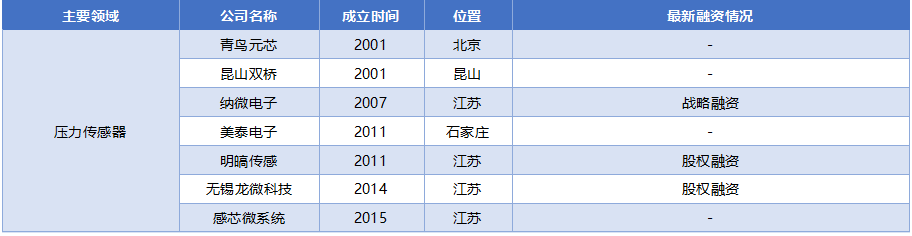
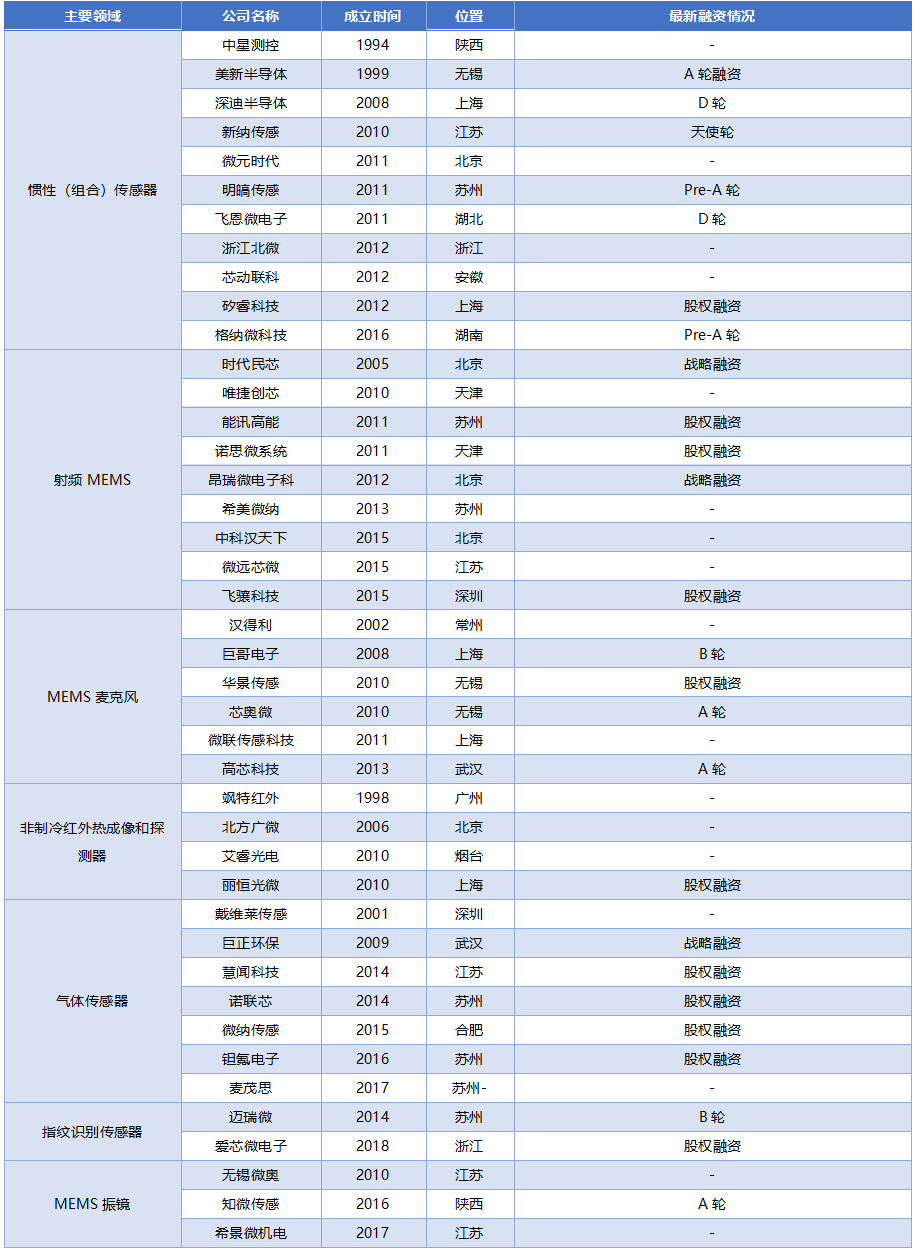
جدول 2 MEMS غیر فہرست شدہ کمپنیاں
اہم نتائج
اہم نتیجہ دو:The driving conditions for the development of the MEMS sensor industry are good, including policy support, demand growth, abundant supply, capital attention, and technology iteration. However, there is still room for improvement in the process level of the industry chain. Considering that although international leaders have higher gross profit margins than domestic manufacturers, their products are priced higher, giving domestic companies a certain amount of room for growth. At the same time, due to the customized nature of MEMS, some domestic companies are expected to achieve technological breakthroughs in new subdivisions.
اہم نتیجہ تین:Compared with companies in developed countries, domestic manufacturers have developed later and have a low market share. Most of the market is occupied by American, Japanese and German manufacturers. Local advantages mainly lie in downstream applications, model innovation and grasp of diversified market demands. In recent years, with the implementation of fingerprint, image, and sound sensor applications, companies with product innovation and long-term existence are expected to gain greater room for growth, and high-quality companies are expected to emerge in various subdivisions. It is recommended to pay attention to the primary market investment opportunities of companies such as Mattel Electronics, Shendi Semiconductor, Kunshan Shuangqiao, Minghao Sensing, Nengxun High Energy, Juge Electronics, Wuxi Haoda, Mindray, and Zhiwei Sensing.
ڈس کلیمر: یہ مضمون "سیمی کنڈکٹر سرکل" سے دوبارہ شائع کیا گیا ہے۔ یہ مضمون صرف مصنف کے ذاتی خیالات کی نمائندگی کرتا ہے اور Sacco Micro اور صنعت کے خیالات کی نمائندگی نہیں کرتا ہے۔ یہ صرف دوبارہ پرنٹ کرنے اور اشتراک کرنے کے لیے ہے تاکہ املاک دانش کے حقوق کے تحفظ کی حمایت کی جا سکے۔ دوبارہ پرنٹ کرنے کے لیے براہِ کرم اصل ماخذ اور مصنف کی نشاندہی کریں۔ اگر کوئی خلاف ورزی ہوتی ہے تو اسے حذف کرنے کے لیے ہم سے رابطہ کریں۔
کمپنی کا فون نمبر: +86-0755-83044319
فیکس/FAX: +86-0755-83975897
ای میل: 1615456225@qq.com
QQ: 3518641314 منیجر لی
QQ: 332496225 منیجر Qiu
پتہ: کمرہ 809، بلڈنگ سی، ژانتاو ٹیکنالوجی بلڈنگ، نمبر 1079 منزی ایونیو، لونگہوا نیو ڈسٹرکٹ، شینزین
متعلقہ سفارشات
یونفن روئیڈا کے لی گینگ کے ساتھ خصوصی انٹرویو: ملی میٹر ویو ریڈار مصنوعات کی درستگی اور انسانیت کی گرمجوشی
2026-07-22
2563
آر ایف جوش، کاریگر کا سفر: ثابت قدمی کے 30 سال سے زیادہ — کنگ ہیلم کے چیف انجینئر مسٹر کن ہونگ شیانگ کے ساتھ انٹرویو
2026-06-26
2725





 粤公网安备44030002007346号