
























Service Hotline
News

News
Into how many main stages can the development of Huaqiangbei be divided?
2026-09-03
2055
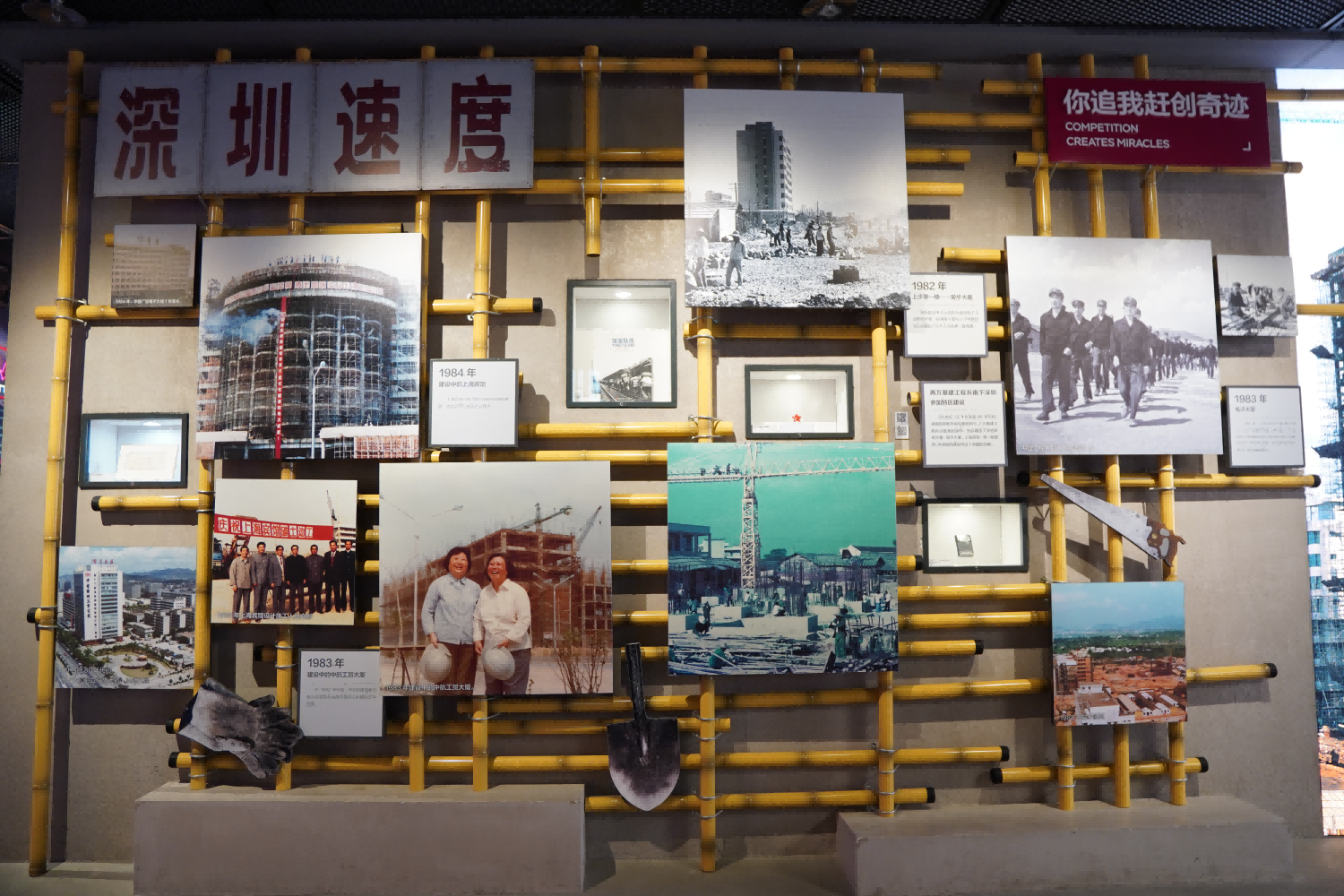
The development trajectory of Huaqiangbei can be broadly divided into the following five stages:
Phase I: The Industrial Foundation Period (1979–1988). As Shenzhen's earliest developed industrial zone, the Shangbu Industrial Zone hosted a number of large enterprises, including SEG, Huaqiang, and Laiyinda. In March 1988, the SEG Group utilized its existing industrial facilities to establish the SEG Electronic Supporting Market—a move widely regarded as the birthmark of Huaqiangbei.
Phase II: Market Prosperity Period (1988–2007). The SEG Electronics Market was gradually expanded to cover the entire building, and the Huaqiang Group promptly followed suit by converting its factory premises into the Huaqiang Electronics Market. In 1994, Wanjia Department Store moved in, effectively revitalizing the surrounding commercial environment; subsequently, the "One-Meter Counter" phenomenon emerged, and the "front-store, back-factory" model took shape. After China joined the World Trade Organization in 2001, global demand for electronic components surged significantly. Specialized markets such as the Metropolis Building and New Asia were successively established, and Huaqiangbei's customer base and sales network began to expand internationally.
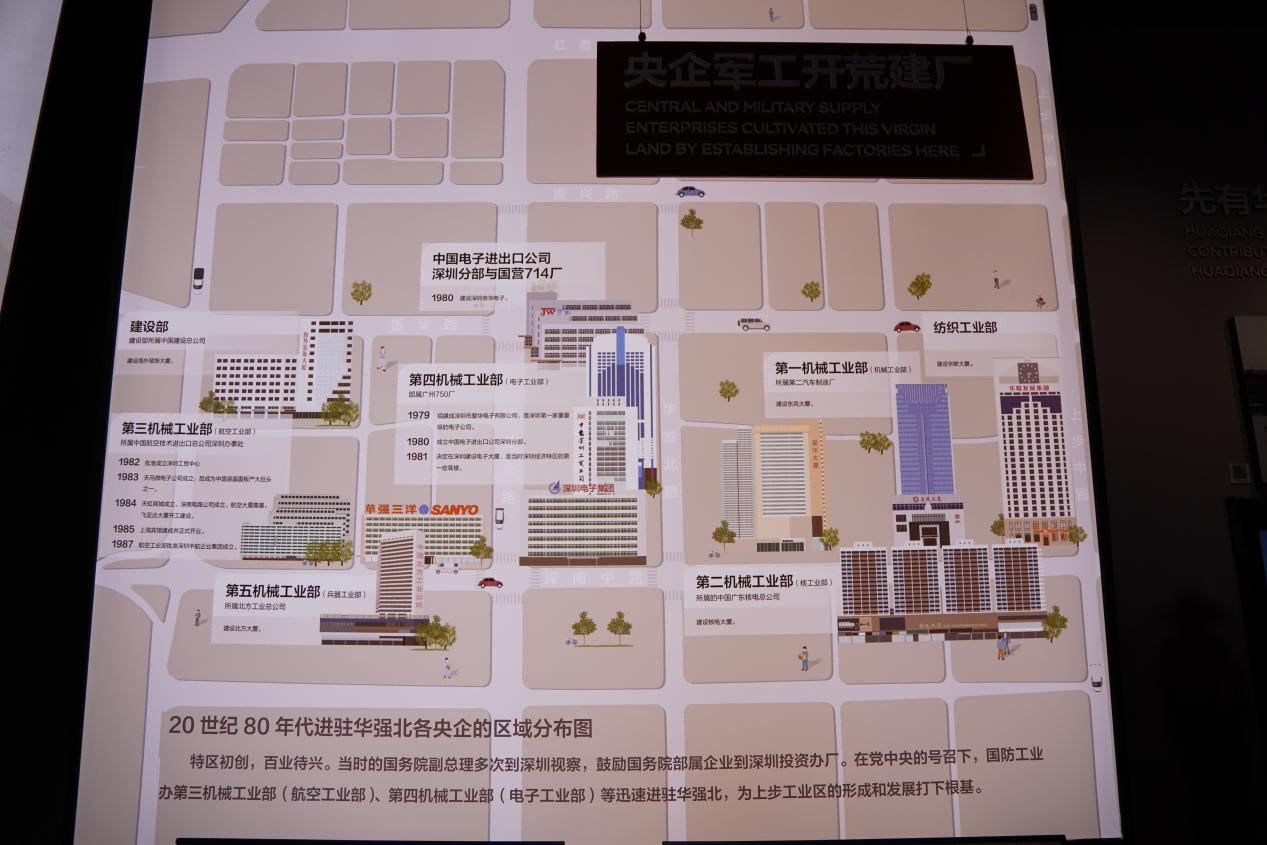
Photo taken at the Huaqiangbei Museum
Phase III: The Peak Era of Copycat Mobile Phones (2007–2013). In 2007, the mobile phone production licensing system was abolished, leading to a rapid expansion in the scale of mobile phone manufacturing and shipment at Huaqiangbei. According to relevant statistics, the annual shipment volume had reached approximately 150 million units by around 2006. In 2008, Huaqiangbei was honored with the title of "China's No.1 Electronics Street"; its daily visitor traffic once ranged between 500,000 and 800,000 people, and the area gave rise to numerous billionaires.
Phase IV: The Transition Adjustment Period (2013–2020). Between 2013 and 2017, the construction of Metro Line 7 led to the closure of major thoroughfares and constrained transportation conditions; simultaneously, the decentralization of online e-commerce diminished the bustling foot traffic in Huaqiangbei. Coupled with the government's strengthened efforts to protect intellectual property rights and its crackdown on the sale of counterfeit products, this situation resulted in a significant exodus of merchants and the recurrent emergence of vacant storefronts, subjecting the overall commercial ecosystem to substantial adjustment pressures.
Phase V: The Era of New Quality Productivity and the Rise of the Maker Movement (2020–Present). In early 2025, Huaqiangbei was designated as the "Leading Street for the Origin of New Quality Productivity." Building upon its well-established smart hardware supply chain hub, government authorities actively promoted the development of a maker ecosystem, with a focus on emerging sectors such as drones, AI glasses, and robotics. The region's annual transaction volume grew from approximately RMB 400 billion in 2024 to around RMB 480 billion in 2025; the average daily number of foreign buyers and visitors exceeded 7,000, reflecting a steadily increasing level of internationalization.
Note: The data and information in this article are sourced from authoritative reports and materials. If you identify any instances of copyright infringement or inaccuracies, please contact us.
Related Recommendations
Exclusive Interview with Li Gang of Yunfan Ruida: The Precision of Millimeter-Wave Radar Products and the Warmth of Humanity
2026-07-22
3186
RF Passion, Craftsman’s Journey: Over 30 Years of Steadfast Dedication — Interview with Kinghelm Chief Engineer Mr. Qin hongxiang
2026-06-26
3272





 粤公网安备44030002007346号