
























servicio de teléfono directo
Noticias

Noticias
En el primer trimestre, se registraron 8,679 empresas de chips, lo que supone un aumento interanual del 302%. ¿Ahora cualquiera puede fabricar chips?
2022-03-17
915
¿Qué tan popular ha sido la industria china de chips en los últimos dos años? Creo que cualquiera puede comprobarlo con un simple dato. Como se muestra en la siguiente figura, estos son los datos empresariales que se pueden obtener al buscar palabras clave como chips, microcircuitos y microelectrónica en Qichacha.
Es evidente que el crecimiento entre 2011 y 2019 fue relativamente equilibrado. En 2011 se registraron un total de 1,272 empresas, mientras que en 2019 la cifra ascendió a 7,715. El número de registros se disparó en 2020, alcanzando los 22 800 nuevos en un solo año, lo que representa un aumento interanual del 195 %.
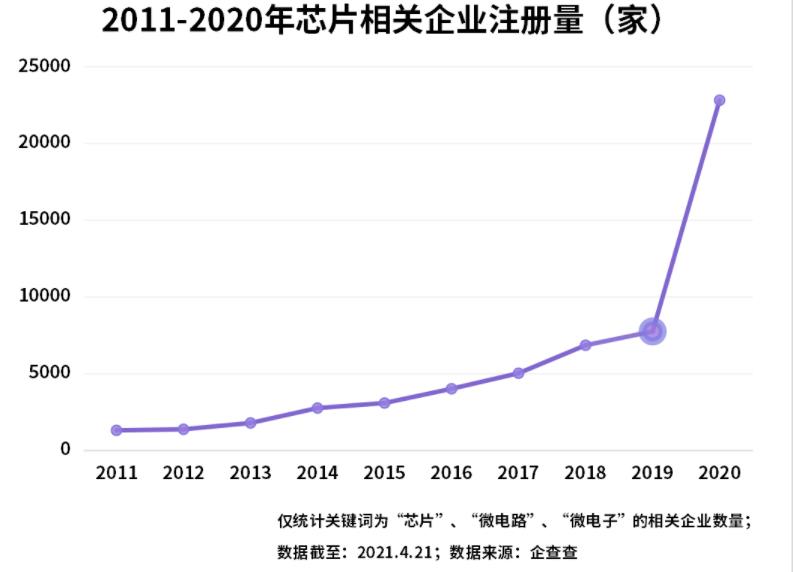
In the first quarter of this year, using the same keyword query, we found that there were 8,679 newly registered chip-related companies in my country in the first quarter, a year-on-year increase of 302%. Among them, a total of 4,047 companies were registered in March, a year-on-year increase of 226%. It can be seen that the beginning of 2021 is even more terrifying than 2020.
So the question becomes, why are companies of all sizes now able to manufacture cores? Is the threshold for chips too low? You must know that in the past, companies like Lenovo did not dare to build cores.
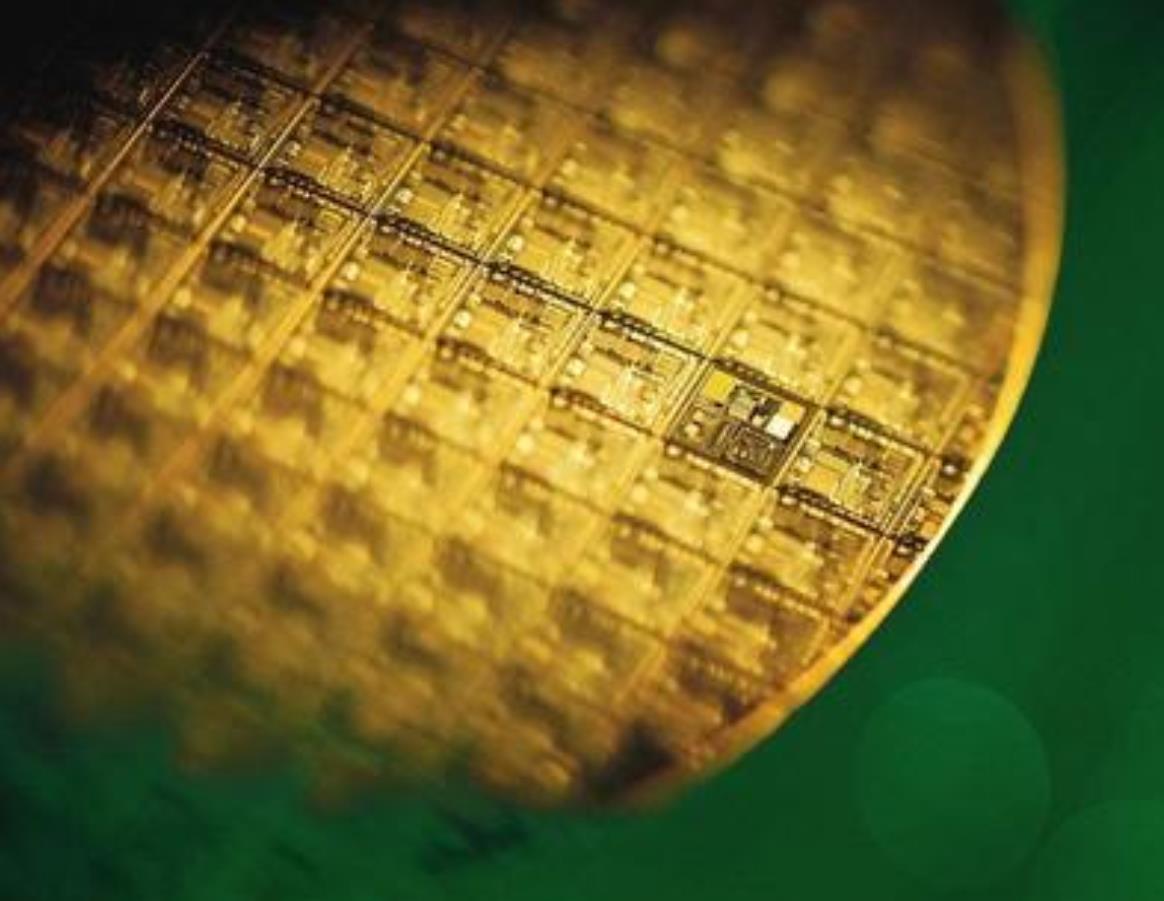
De hecho, el umbral para la fabricación de núcleos es muy bajo hoy en día. En el pasado, las empresas de chips se basaban en el modelo IDM, lo que significaba que tenían que diseñar sus propios chips, fabricarlos y venderlos ellas mismas, de forma similar a como lo hace Intel hoy en día.
Para una empresa de chips como esta, el capital inicial, desde el diseño hasta la puesta en marcha de una sola línea de producción, asciende a decenas de miles de millones de yuanes. Las empresas comunes no pueden permitirse tales costes, por lo que Lenovo declaró inicialmente que no fabricaría núcleos.
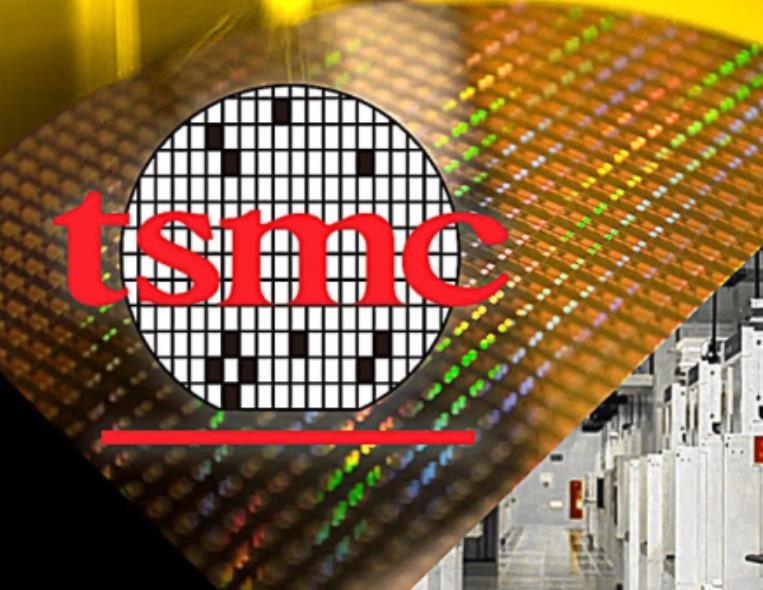
Pero más tarde, la división del trabajo en la industria de los chips se fue detallando cada vez más. Primero, empresas como TSMC surgieron y comenzaron a separar el diseño de la fabricación. Separaron la parte más costosa, es decir, las empresas que no podían fabricar por sí mismas y simplemente se la entregaban a TSMC.
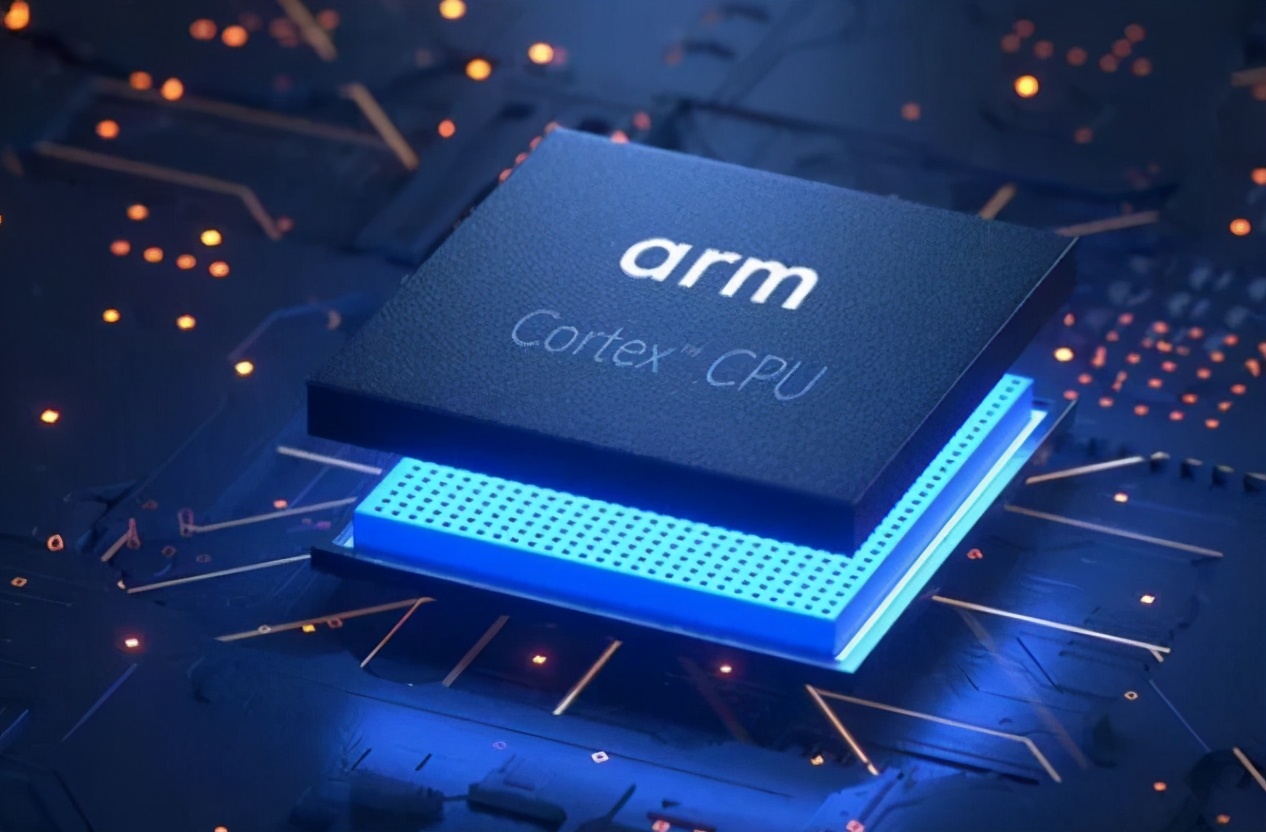
Then came the rise of companies like ARM, which licensed instruction sets and IP cores to external parties. Chip companies could directly use them without having to design too much, and it was only slightly more difficult than assembly.
Therefore, for many chip companies, they only need to buy a set of EDA software, obtain the authorization for the instruction set and IP core from ARM, then modify it to turn it into their own chip design drawing, hand it over to TSMC for circuit chipping, verification, and reproduction.
Start-up capital that used to be tens of billions can now be started with only hundreds of thousands or millions of yuan, and the threshold has been greatly lowered. Therefore, more and more companies are pouring into the chip industry.
In addition, with an architecture like ARM and an ecosystem like Android to match it, there is no need to think too much about the ecosystem. Many problems that once plagued domestic chip companies have been solved in this way. So we have seen that in the past two years, more and more companies have begun to manufacture cores, and this is the reason.
Sin embargo, la desventaja de este modelo es que depende de TSMC por un lado, de ARM por otro, y del ecosistema Android, lo cual es prácticamente un trabajo de ensamblaje.
Disclaimer: This article is reproduced from "Internet Chaos Talk Show". This article only represents the author's personal views and does not represent the views of Sacco Micro and the industry. It is only for reprinting and sharing and supports the protection of intellectual property rights. Please indicate the original source and author for reprinting. If there is any infringement, please contact us to delete it.
Número de teléfono de la empresa: +86-0755-83044319
Fax/FAX: +86-0755-83975897
Correo electrónico: 1615456225@qq.com
Pregunta: 3518641314 Gerente Li
Pregunta: 332496225 Gerente Qiu
Dirección: Habitación 809, Edificio C, Edificio de Tecnología Zhantao, Avenida Minzhi n.° 1079, Nuevo Distrito de Longhua, Shenzhen
Recomendaciones relacionadas
Entrevista exclusiva con Li Gang de Yunfan Ruida: La precisión de los productos de radar de ondas milimétricas y la calidez humana.
2026-07-22
2523
¡Nos vemos el año que viene! | Resumen de los mejores momentos de Electronica China 2026 de Slkor
2026-07-14
2211
RF Passion, Craftsman Journey: Más de 30 años de dedicación inquebrantable — Entrevista con el ingeniero jefe de Kinghelm, el Sr. Qin Hongxiang
2026-06-26
2689





 粤公网安备44030002007346号