
























Service Hotline
News

News
In the first quarter, there were 8,679 registered chip companies, a year-on-year increase of 302%. Now anyone can make chips?
2022-03-17
914
How popular has China's chip industry been in the past two years? I believe everyone can see it through a piece of data. As shown in the figure below, this is the enterprise data that can be obtained by querying keywords such as chips, microcircuits, and microelectronics through Qichacha.
It is obvious that the growth between 2011 and 2019 is relatively balanced. In 2011, a total of 1,272 companies were registered, and in 2019, the number of registrations was 7,715. The number of registrations has exploded in 2020, with a total of 22,800 new registrations in one year, a year-on-year increase of 195%.
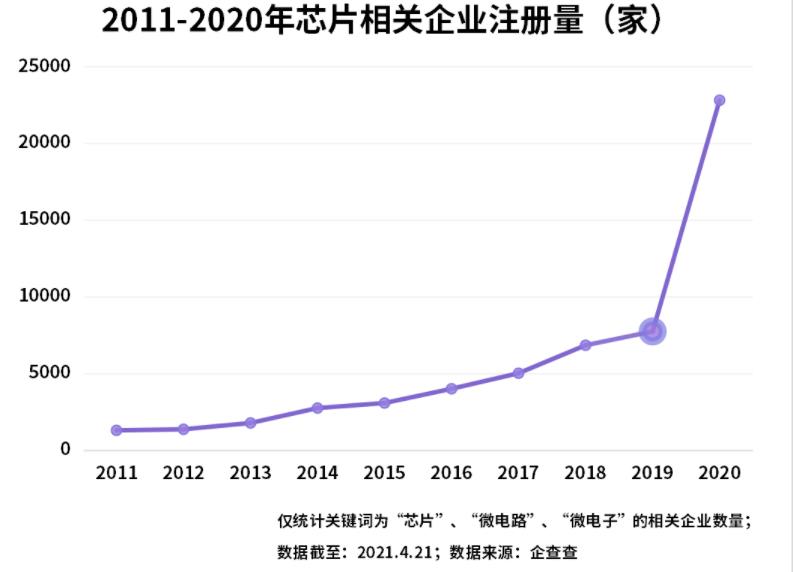
In the first quarter of this year, using the same keyword query, we found that there were 8,679 newly registered chip-related companies in my country in the first quarter, a year-on-year increase of 302%. Among them, a total of 4,047 companies were registered in March, a year-on-year increase of 226%. It can be seen that the beginning of 2021 is even more terrifying than 2020.
So the question becomes, why are companies of all sizes now able to manufacture cores? Is the threshold for chips too low? You must know that in the past, companies like Lenovo did not dare to build cores.
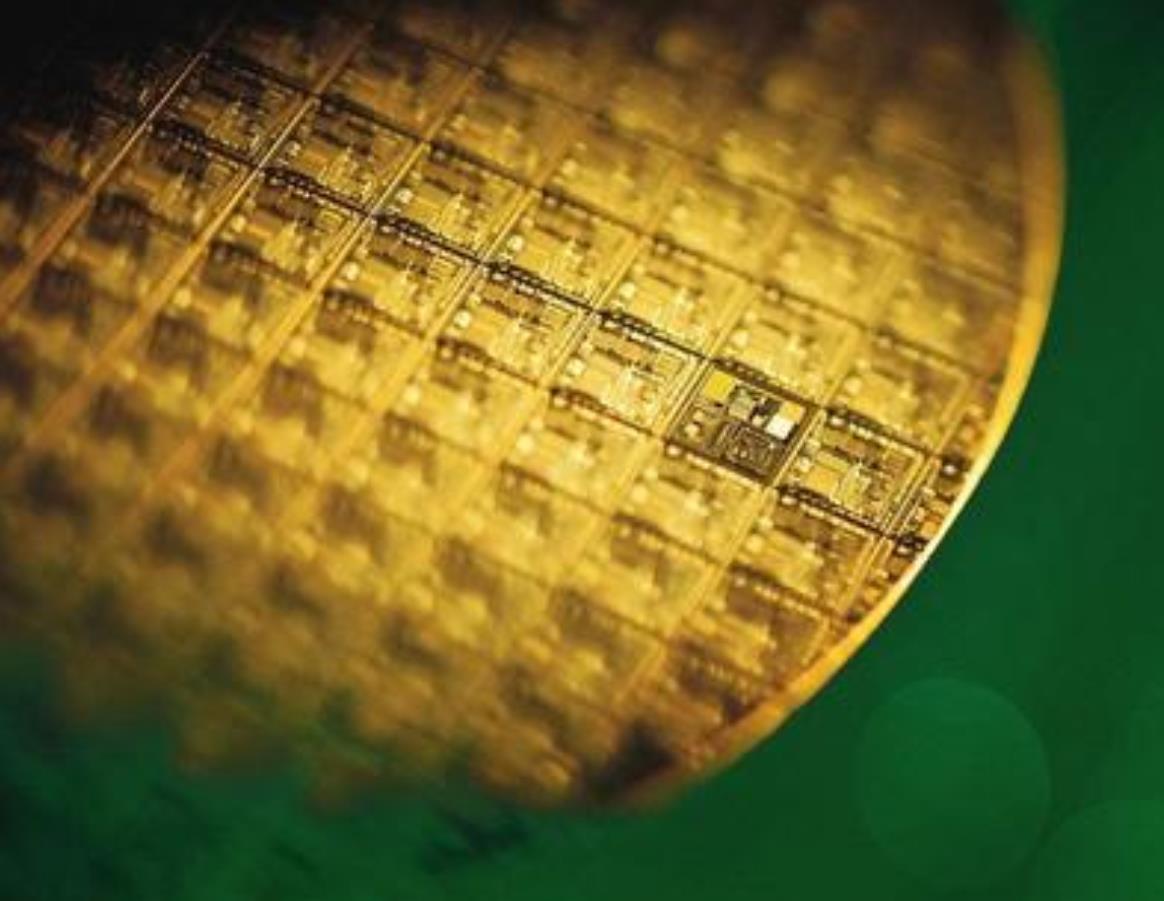
In fact, the threshold for core making is really low now. In the past, chip companies were based on the IDM model, which meant that companies had to design their own chips, then manufacture and sell them themselves, similar to Intel today.
For such a chip company, the starting capital from design to establishment of even one production line is tens of billions of yuan. Ordinary companies really cannot afford such costs, so Lenovo initially said it would not manufacture cores.
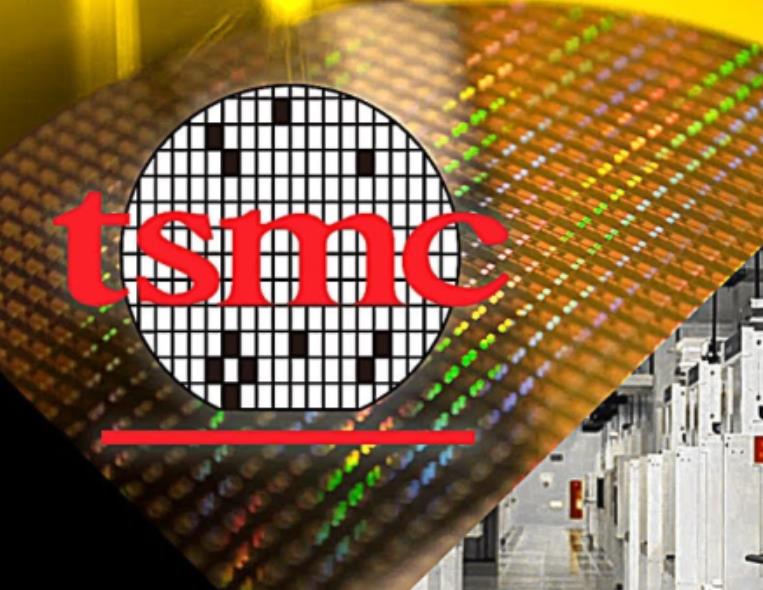
But later, the division of labor in the chip industry became more and more detailed. First, companies like TSMC rose up and started to separate design and manufacturing. They separated the most cost-intensive part, that is, companies can not manufacture themselves and just hand it over to TSMC.
Then came the rise of companies like ARM, which licensed instruction sets and IP cores to external parties. Chip companies could directly use them without having to design too much, and it was only slightly more difficult than assembly.
Therefore, for many chip companies, they only need to buy a set of EDA software, obtain the authorization for the instruction set and IP core from ARM, then modify it to turn it into their own chip design drawing, hand it over to TSMC for circuit chipping, verification, and reproduction.
Start-up capital that used to be tens of billions can now be started with only hundreds of thousands or millions of yuan, and the threshold has been greatly lowered. Therefore, more and more companies are pouring into the chip industry.
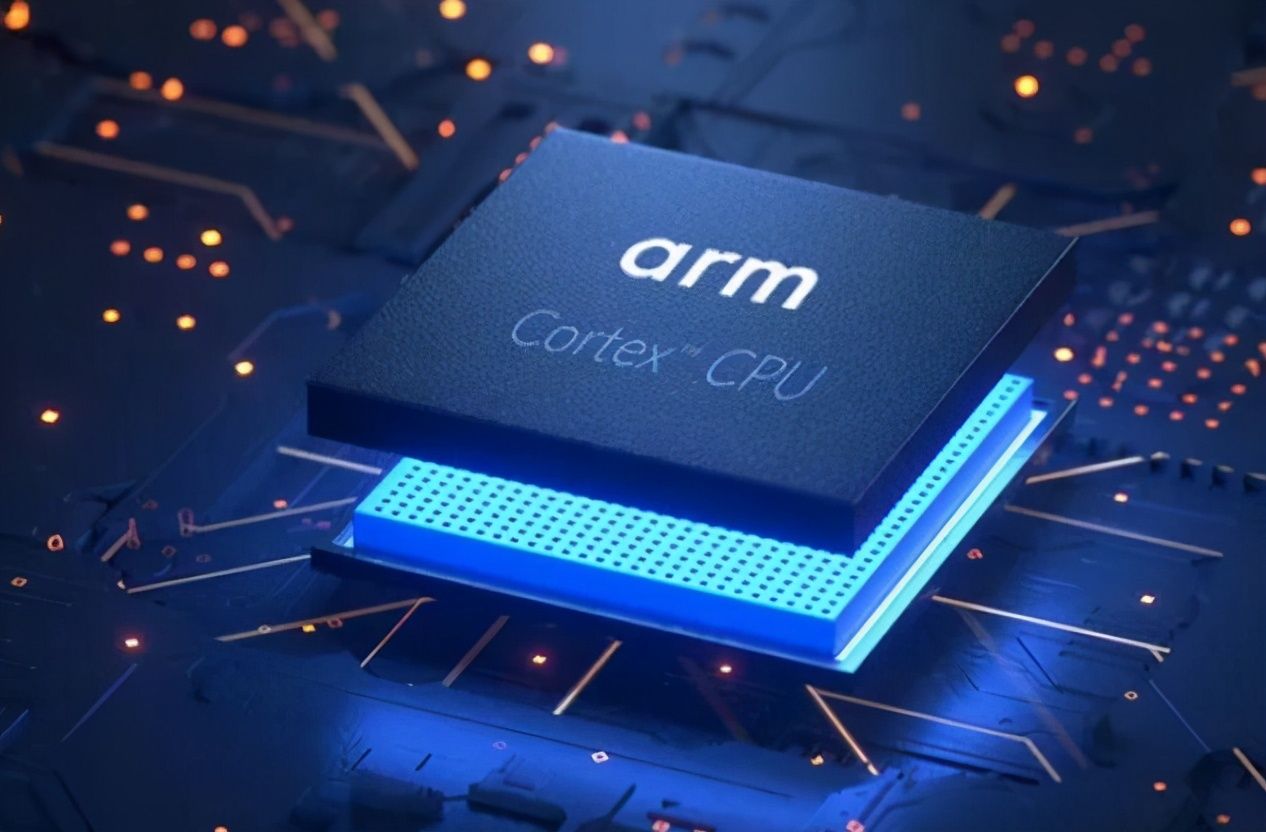
In addition, with an architecture like ARM and an ecosystem like Android to match it, there is no need to think too much about the ecosystem. Many problems that once plagued domestic chip companies have been solved in this way. So we have seen that in the past two years, more and more companies have begun to manufacture cores, and this is the reason.
However, the disadvantage of this model is that it relies on TSMC on the one hand, ARM on the other hand, and the Android ecosystem, which is almost an assembly job.
Disclaimer: This article is reproduced from "Internet Chaos Talk Show". This article only represents the author's personal views and does not represent the views of Sacco Micro and the industry. It is only for reprinting and sharing and supports the protection of intellectual property rights. Please indicate the original source and author for reprinting. If there is any infringement, please contact us to delete it.
Company phone number: +86-0755-83044319
Fax/FAX: +86-0755-83975897
Email: 1615456225@qq.com
QQ: 3518641314 Manager Li
QQ: 332496225 Manager Qiu
Address: Room 809, Building C, Zhantao Technology Building, No. 1079 Minzhi Avenue, Longhua New District, Shenzhen
Related Recommendations
Exclusive Interview with Li Gang of Yunfan Ruida: The Precision of Millimeter-Wave Radar Products and the Warmth of Humanity
2026-07-22
2523
RF Passion, Craftsman’s Journey: Over 30 Years of Steadfast Dedication — Interview with Kinghelm Chief Engineer Mr. Qin hongxiang
2026-06-26
2689





 粤公网安备44030002007346号