
























Service Hotline
News

News
This article will give you a thorough understanding of electronic potting (glue potting) process technology
2022-03-16
1364
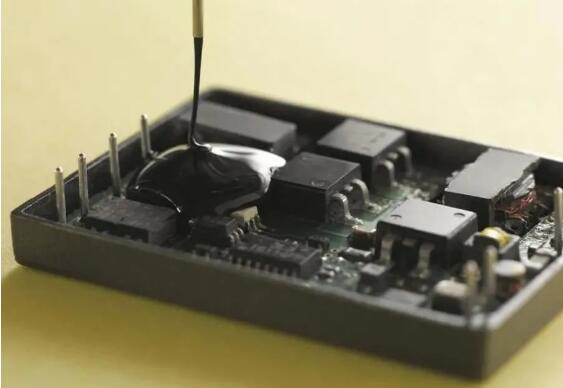
1. What is potting?Potting (potting) means pouring polyurethane potting glue, silicone potting glue, and epoxy resin potting glue into devices equipped with electronic components and circuits using equipment or manually, and solidifying them under normal temperature or heating conditions into thermosetting polymer insulation materials with excellent performance, thereby achieving the purposes of bonding, sealing, potting, and coating protection.
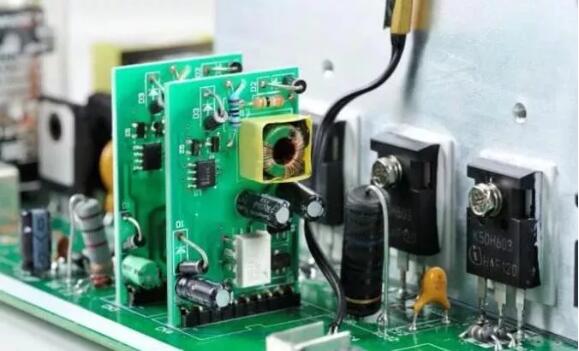 2. What is the main function of potting?
The main functions of potting are: 1) Strengthen the integrity of electronic devices and improve theshock, vibrationresistance; 2) Improve the resistance between internal components and circuitsInsulation, conducive to miniaturization and lightweighting of devices; 3) Avoid direct exposure of components and circuits, and improve device performanceWaterproof, dustproof, moisture-proofPerformance; 5) Heat transfer and heat conduction;
3. What are the advantages and disadvantages of the three types of potting glue?
1) Epoxy resin potting glue
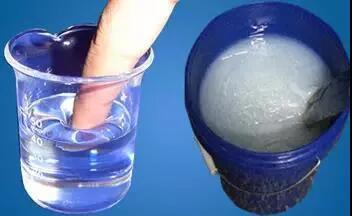
Most of the epoxy resin potting glue is hard. After curing, it is almost as hard as stone and is difficult to remove. It has good confidentiality function, but there are also a few that are soft. The ordinary temperature resistance is about 100℃, the temperature resistance of heat curing is about 150℃, and there are also those with temperature resistance above 300℃. It has the characteristics of fixation, insulation, waterproof, oil-proof, dust-proof, anti-theft, corrosion resistance, aging resistance, resistance to cold and heat shock, etc. Common epoxy potting adhesives include: flame retardant, thermal conductive, low viscosity, high temperature resistant, etc.
advantage:It has good adhesion to hard materials, has excellent high temperature resistance and electrical insulation capabilities, is simple to operate, is very stable before and after curing, and has excellent adhesion to a variety of metal substrates and porous substrates. shortcoming:It has weak resistance to cold and heat changes. It is prone to cracks after being subjected to cold and heat shocks, causing water vapor to penetrate into electronic components from the cracks, and has poor moisture resistance. Moreover, after curing, the colloid has a high hardness and is relatively brittle, which can easily damage electronic components. It cannot be opened after potting and has poor repairability. Scope of application:Epoxy resin potting glue easily penetrates into the gaps of products, and is suitable for potting small and medium-sized electronic components that are under normal temperature conditions and have no special requirements for environmental mechanical properties, such as automobile and motorcycle igniters, LED drive power supplies, sensors, toroidal transformers, capacitors, triggers, LED waterproof lights, and circuit board confidentiality, insulation, and moisture-proof (water) potting.2) Silicone potting glue
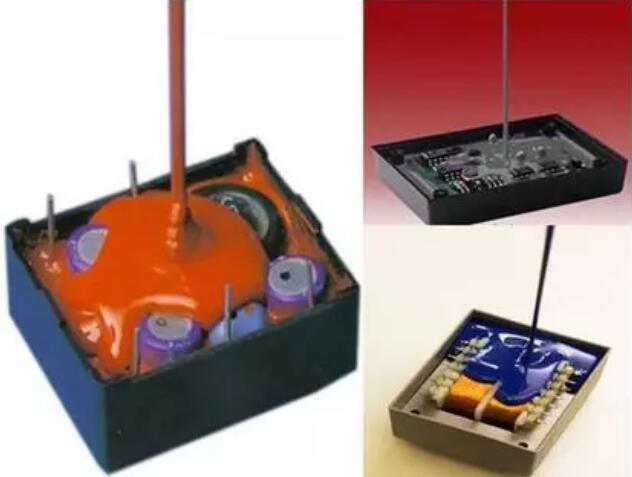
shortcoming:High price and poor adhesion.
Scope of application:Suitable for potting various electronic components working in harsh environments.
What are the advantages of silicone electronic potting glue compared to other potting glues?
Advantage 1:Provide long-term protection for sensitive circuits or electronic components, and provide long-term effective protection for electronic modules and devices, whether they are simple or complex structures and shapes. Advantage 2:It has stable dielectric insulation properties and is an effective barrier to prevent environmental pollution. After curing, it forms a soft elastomer that can eliminate the stress caused by impact and vibration within a wide range of temperature and humidity. Advantage 3:It can maintain its original physical and electrical properties in various working environments, resist degradation by ozone and ultraviolet rays, and has good chemical stability.Advantage 4:After potting, it is easy to clean and dismantle, so that the electronic components can be repaired, and new potting glue can be re-injected into the repaired parts.
3) Polyurethane potting glue
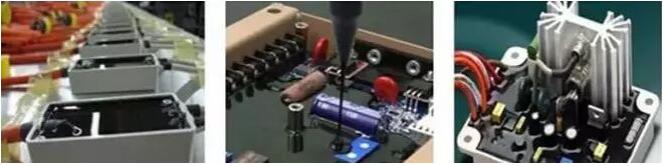
Polyurethane potting glue is also called PU potting glue. After curing, it is mostly soft and elastic and can be repaired. It is referred to as soft glue. The adhesiveness is between epoxy and silicone. The temperature resistance is average, generally not exceeding 100°C. There are many bubbles after potting. The potting conditions must be under vacuum. The adhesiveness is between epoxy and silicone.
advantage:It has good low-temperature resistance and its shock-proof performance is the best among the three. It has the characteristics of low hardness, moderate strength, good elasticity, water resistance, mold resistance, shock resistance and transparency. It has excellent electrical insulation and flame retardancy, has no corrosion to electrical components, and has good adhesion to steel, aluminum, copper, tin and other metals, as well as rubber, plastic, wood and other materials. shortcoming:The high temperature resistance is poor, the surface of the colloid after curing is not smooth and the toughness is poor, the anti-aging ability and UV resistance are weak, and the colloid is easy to change color. Scope of application:It is suitable for potting indoor electrical components with low calorific value. It can protect the installed and debugged electronic components and circuits from vibration, corrosion, moisture and dust. It is an ideal potting material for moisture-proof and anti-corrosion treatment of electronic and electrical parts.4. What issues should be considered when selecting potting materials? 1) Performance requirements after potting:Operating temperature, hot and cold alternating conditions, internal stress conditions of components, whether used outdoors or indoors, stress conditions, whether flame retardancy and thermal conductivity are required, color requirements, etc.;2) Potting process:Manual or automatic, room temperature or heating, complete curing time, solidification time of glue after mixing, etc.;3) Cost: The proportion of potting materials varies greatly. We must look at the actual cost after potting, rather than simply looking at the selling price of the material. Adhesives used for potting are classified according to functions: thermally conductive potting glue, bonding potting glue, and waterproof potting glue; according to materials, they are polyurethane potting glue, silicone potting glue, and epoxy resin potting glue. When it comes to choosing soft glue or hard glue, both are acceptable. For potting and waterproof insulation, if high temperature resistance and thermal conductivity are required, it is recommended to use silicone soft glue; if low temperature resistance is required, it is recommended to use polyurethane soft glue; if there are no requirements, it is recommended to use epoxy hard glue, because epoxy hard glue cures faster than silicone. Epoxy resin potting glue has a wide range of applications, technical requirements vary widely, and there are many varieties. From the curing conditions, it can be divided into two categories: normal temperature curing and heating curing; and from the dosage form, it can be divided into two categories: two-component and single-component. In addition, room temperature curing epoxy potting glue is generally two-component. Its advantage is that it can be cured without heating after potting, which requires equipment. The requirements are not high and it is easy to use. The disadvantages are that the glue mixture has high operating viscosity, poor impregnation, short pot life, and the heat resistance and electrical properties of the cured product are not very high. It is generally used for potting low-voltage electronic devices or in situations where heating and curing are not suitable.
5. Potting processThe quality of potting products is mainly closely related to product design, component selection, assembly and potting materials used. The potting process is also a factor that cannot be ignored. Epoxy potting has two potting processes: normal and vacuum. Epoxy resin and amine room-temperature curing potting materials are generally used in low-voltage electrical appliances, and normal potting is often used.。 Epoxy resin and acid anhydride heat-curing potting materials are generally used for potting high-voltage electronic devices, and vacuum potting processes are often used.Currently common ones includeManual vacuum pottingandMechanical vacuum pottingThere are two methods, and mechanical vacuum potting can be divided into two situations: A and B components are mixed and degassed first and then potted; or they are degassed separately and then mixed and potted.There are three methods of operation:The first type: single-component electronic potting glue, used directly, can be beaten or poured directly; The second type: two-component condensation type electronic potting glue, curing agent 2%-3% or other proportions, stirring-vacuuming, degassing-infusion; The third type: addition-type electronic potting glue, curing agent 1:1, 10:1;The process flow is as follows:(1) Manual vacuum potting process (2) Mechanical vacuum potting process 1) Measurement: Accurately weigh component A and component B (curing agent). 2) Mixing: Mix the components; 3) Degassing: natural degassing and vacuum degassing; 4) Filling: The glue should be poured within the operating time otherwise it will affect leveling; 5) Curing: Heating or curing at room temperature. The potted product is cured at room temperature. After initial curing, it can enter the next process. It takes 8 to 24 hours for complete curing. When the temperature is high in summer, the curing will be faster; in winter when the temperature is low, the curing will be slower.
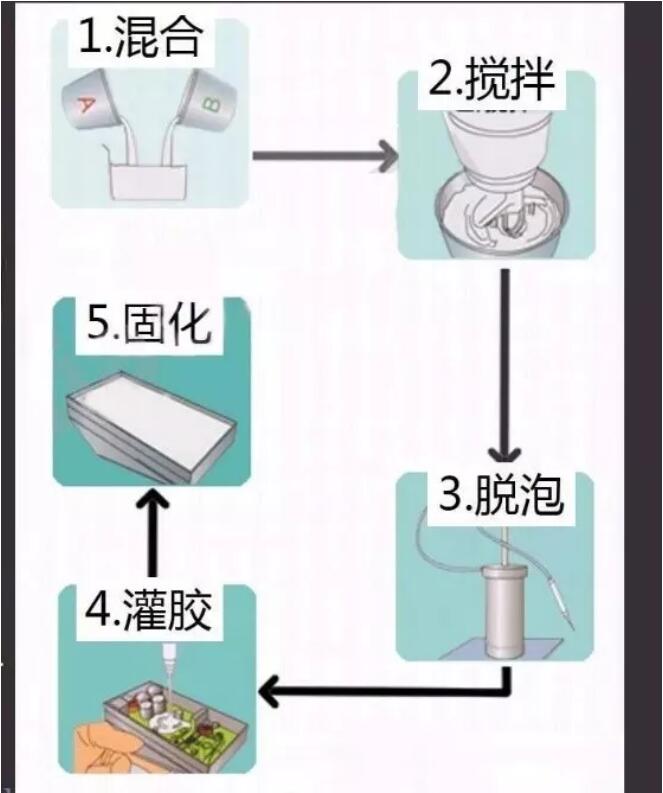 (3) Notes: a. The surface of the product to be potted must be cleaned before potting! b. Before weighing, be sure to stir components A and B thoroughly evenly so that the pigment (or filler) sinking to the bottom is dispersed into the glue liquid. c. The primer cannot be mixed directly with the rubber. The primer should be used first, and then the rubber can be used for potting after the primer is dry. d. The curing speed of the rubber has a certain relationship with the temperature. The curing will be slower at lower temperatures. In contrast, mechanical vacuum potting requires large equipment investment and high maintenance costs, but it is significantly better than the manual vacuum potting process in terms of product consistency and reliability. Regardless of the potting method, the set process conditions should be strictly adhered to, otherwise it will be difficult to obtain a satisfactory product.
Basic principles of automatic glue filling machine (video)
6. Analysis of common problems and causes of potting products (1) The starting voltage of partial discharge is low, and sparking or breakdown between lines. High-voltage electronic products such as TVs, monitors, output transformers, and igniters for automobiles and motorcycles often occur due to improper potting process. Partial discharge (arc), sparking or breakdown between lines often occur during operation. This is because the diameter of the high-voltage coils of such products is very small, generally only 0.02 to 0.04mm, and the potting material cannot completely penetrate the turns, leaving gaps between the coil turns.Since the dielectric constant of the void is much smaller than that of the epoxy potting material, under alternating high-voltage conditions, an uneven electric field will be generated, causing partial discharge at the interface, causing the material to age and decompose, causing insulation damage. From a process perspective, there are two reasons for the gaps between lines:
?1) The vacuum degree is not high enough during potting, and the air cannot be completely eliminated, preventing the material from being fully infiltrated.
?2) The preheating temperature of the glue or product before potting is not enough, and the viscosity cannot be reduced quickly, which affects the impregnation. For manual potting or mixing and degassing first and then vacuum potting process, the material mixing and degassing temperature is high, the operation time is long or the pot life of the material is exceeded, and the product does not enter the heating and curing process in time after potting, which will cause the material viscosity to increase and affect the impregnation of the coil. Previously, according to relevant experts, the higher the initial temperature of heat-cured epoxy potting material composites, the smaller the viscosity. As time goes by, the viscosity increases more rapidly. Therefore, in order to ensure that the material has good impregnation of the coil, the following points should be paid attention to during operation: 1) The potting material compound should be maintained within a given temperature range and used within the applicable period. 2) Before potting, the product must be heated to the specified temperature. After potting, the product must enter the heating and curing process in time. 3) The potting vacuum degree must meet the technical specifications.
(2) Shrinkage holes, local depressions and cracks on the surface of potting parts. During the heating and solidification process, the potting material will produce two kinds of shrinkage, namely chemical shrinkage during the phase change from liquid to solid and physical shrinkage during the cooling process.Further analysis shows that there are two processes of chemical change and shrinkage during the curing process. From the heating chemical cross-linking reaction after potting to the shrinkage caused by the initial formation of the micro network structure, we call it gel pre-curing shrinkage. The shrinkage that occurs from the gel to the fully cured stage is called post-curing shrinkage. The amount of shrinkage in these two processes is different. During the transformation of the former from a liquid state into a network structure, the physical state undergoes a sudden change, the consumption of reactive groups is greater than that of the latter, and the volume shrinkage is also greater than that of the latter. The disappearance of epoxy groups in the gel pre-curing stage (75℃/3h) is greater than that in the post-curing stage (110℃/3h). The differential thermal analysis results also prove this. The curing degree of the sample after being treated at 750℃/3h is 53%. If we adopt high-temperature curing for potted products, the two stages of the curing process are too close, and the gel pre-curing and post-curing are completed almost at the same time. This will not only cause excessive exothermic peaks and damage components, but also cause huge internal stress in the potted parts, causing defects in the interior and appearance of the product. In order to obtain good products, we must focus on the matching of the curing speed of the potting material (i.e. the gel time of the A and B compounds) and the curing conditions when designing the potting material formula and formulating the curing process. The commonly used method is: a process of segmented curing in different temperature zones according to the properties and uses of the potting material. According to experts, the potting of color TV output transformers is based on different temperature zone segmented curing procedures and product internal heat release curves. In the gel pre-curing temperature range, the curing reaction of the potting material proceeds slowly, the reaction heat is gradually released, and the viscosity of the material increases and the volume shrinks gently. At this stage, the material is in a fluid state, and the volume shrinkage is manifested as a drop in the liquid level until it gels, which can completely eliminate the internal stress of volume shrinkage at this stage. From the gel pre-curing to the post-curing stage, the temperature rise should also be gentle. After curing is completed, the potted parts should slowly cool down in synchronization with the heating equipment to reduce and adjust the internal stress distribution of the product in many aspects to avoid shrinkage holes, depressions and even cracks on the product surface. When formulating the curing conditions of potting materials, we should also refer to the arrangement and fullness of the embedded components in the potting product, as well as the product size, shape, and single potting volume. For a single potting volume with a large number of embedded components, it is absolutely necessary to appropriately lower the gel pre-curing temperature and extend the time.
(3) Poor surface or partial non-curing of the cured product are mostly related to the curing process.The main reasons are:
1) Measuring or mixing device failure, production personnel operating errors.
2) Component A precipitates after being stored for a long time, and it is not fully stirred evenly before use, resulting in an imbalance in the actual proportion of resin and curing agent.
3) Component B will become ineffective due to moisture absorption if stored in the open for a long time. 4) In high-humidity seasons, the potted parts do not enter the curing process in time, and the surface of the object absorbs moisture.
In short, to obtain a good potting product, the potting and curing process is indeed an issue worthy of great attention.
Frequently Asked Questions about Electronic Glue Filling
1) How to solve the problem of electronic potting glue that is poisoned and does not solidify?
Silicone poisoning generally occurs in addition-type electronic potting glue. After poisoning, the silicone will not cure. Therefore, when using addition-type potting glue, you should avoid contact with organic compounds containing phosphorus, sulfur, and nitrogen, or use polyurethane, epoxy resin, unsaturated polyester, condensation room temperature vulcanization silicone rubber and other products together with addition-type silicone to prevent poisoning and non-curing.2) What can be used to clean the electronic potting glue that is accidentally stuck?
Commonly used silicone cleaning agents mainly include alcohol, acetone, liquor, etc. Remember to dilute them before use.3) What should I do if the electronic potting glue cannot dry in winter?
Because the temperature in winter is very low, the electronic potting glue solidifies very slowly or even does not solidify for a long time after mixing. Therefore, we can increase the curing temperature and place the glue-filled product in a 25°C oven for solidification.Epoxy resin potting materials, their processes and common problems
1. There have been two major changes in the field of electronic packaging technology.The first change occurred in the first half of the 1970s, and was characterized by the transition from pin insertion mounting technology (such as DIP) to four-sided flat package surface mount technology (such as QFP); the second change occurred in the mid-1990s, marked by the emergence of solder ball arrays and BGA-type packages. The corresponding surface mount technology and semiconductor integrated circuit technology entered the 21st century together. With the development of technology, many new packaging technologies and packaging forms have emerged, such as direct chip bonding, encapsulated plastic ball array (CD-PBGA), flip-chip plastic ball array (Fc-PBGA), chip scale packaging (CSP) and multi-chip component (MCM). A considerable number of these packages use liquid epoxy material packaging technology. Potting is to pour the liquid epoxy resin compound into the device equipped with electronic components and circuits mechanically or manually, and solidify it under normal temperature or heating conditions to become a thermoisotropic polymer insulation material with excellent performance.
2. Product performance requirements Potting materials should meet the following basic requirements: good performance, long pot life, suitable for large-volume automatic production line operations; low viscosity, strong impregnation, and can be filled between components and lines; during the potting and curing process, powder components such as fillers settle little and do not stratify; curing exothermic peak Low, curing shrinkage is small; the cured product has excellent electrical and mechanical properties, good heat resistance, good adhesion to a variety of materials, low water absorption and low linear expansion coefficient; in some cases, the potting material is also required to be flame retardant, weather-resistant, thermally conductive, and resistant to high and low temperature alternations. In specific semiconductor packaging, since the material must be in direct contact with the chip and substrate, in addition to meeting the above requirements, the product must also have the same purity as the chip mounting material. In the potting of flip-chips, since the gap between the chip and the substrate is very small, the viscosity of the potting material is required to be extremely low. In order to reduce the stress generated between the chip and the packaging material, the modulus of the packaging material cannot be too high. And in order to prevent moisture penetration at the interface, the packaging material should have good bonding properties with the chip and substrate.
3. Main components and functions of potting materialsThe function of potting materials is to strengthen the integrity of electronic devices and improve the resistance to external impact and vibration; improve the insulation between internal components and circuits, which is conducive to miniaturization and lightweight of devices; avoid direct exposure of components and circuits, and improve the waterproof and moisture-proof performance of devices. Epoxy resin potting material is a multi-component composite system, consisting of resin, curing agent, toughener, filler, etc. The viscosity, reactivity, service life, heat release, etc. of the system require comprehensive design in terms of formula, process, casting size and structure, etc., to achieve a comprehensive balance. 3.1 Epoxy resinEpoxy resin potting materials generally use low-molecular liquid bisphenol A-type epoxy resin, which has low viscosity and high epoxy value. Commonly used ones are E-54, E-51, E-44, and E-42. In flip-chip underfill potting, the liquid encapsulating material is required to have extremely low viscosity due to the small gap between the chip and the substrate. Therefore, the use of bisphenol A epoxy resin alone cannot meet product requirements. In order to reduce product viscosity and meet product performance requirements, we can use combination resins: such as adding low-viscosity bisphenol F epoxy resin, glycidyl ester resin, and resin cyclic epoxides with higher heat resistance, electrical insulation, and weather resistance. Among them, the resin cyclic epoxide itself also functions as a reactive diluent. 3.2 Curing agent
Curing agent is an important component in the formula of epoxy potting material, and the performance of the cured product depends largely on the structure of the curing agent.
(1) For room temperature curing, aliphatic polyamines are generally used as curing agents. However, this type of curing agent is highly toxic, irritating, exothermic, and prone to oxidation during curing and use. Therefore, it is necessary to modify the polyamine, such as using the active hydrogen on the amine group of the polyamine to partially synthesize it with the epoxy group to form hydroxyalkylation and partially synthesize it with acrylonitrile to form cyanoethylation. The curing agent can achieve a comprehensive modification effect of low viscosity, low toxicity, low melting point, room temperature curing and certain toughness.
(2) Anhydride curing agent is the most important curing agent for two-component heat-cured epoxy potting materials. Commonly used curing agents include liquid methyltetrahydrophthalic anhydride, liquid methylhexahydrophthalic anhydride, and hexahydrophthalic anhydride
acid anhydride, methyl nadic acid anhydride, etc. This type of curing agent has low viscosity and large dosage. It can play dual roles of curing and diluting in the formula of potting materials. The curing exotherm is gentle and the cured product has excellent comprehensive properties.
3.3 Curing accelerator
Two-component epoxy anhydride potting material generally needs to be heated at around 140°C for a long time to cure. Such curing conditions not only cause a waste of energy, but also make the components and skeleton shells in most electronic devices unbearable. Adding accelerator components to the formula can effectively lower the curing temperature and shorten the curing time. Commonly used accelerators include: benzyldiamine, DMP-30 and other tertiary amines. Metal salts of imidazole compounds and carboxylic acids, such as 2-ethyl-4-methylimidazole, 2-methylimidazole, etc., can also be used. 3.4 Coupling agentIn order to increase the adhesion between silica and epoxy resin, a silane coupling agent needs to be added. Coupling agents can improve the adhesion and moisture resistance of materials. Commonly used silane coupling agents suitable for epoxy resins include glycidoxy, propyltrioxysilane (KH-560), anilinomethyltriethoxysilane, α-chloropropyltrimethoxysilane, α-mercaptopropyltrimethoxysilane, anilinomethyltrimethoxysilane, diethylenediaminopropyltrimethoxysilane, etc. 3.5 Reactive diluentWhen epoxy resin is used alone, the viscosity increases significantly after adding inorganic fillers, which is not conducive to operation and defoaming. It is often necessary to add a certain amount of diluent to increase its fluidity and permeability and extend its service life. Diluents are divided into active and inactive. Inactive diluents do not participate in the curing reaction. If added in too much amount, it will easily increase the shrinkage rate of the product and reduce the mechanical properties and thermal deformation of the product. The participation of reactive diluents in the curing reaction increases the viscosity of the reactants and has little impact on the properties of the cured product. Reactive diluents are used in potting materials. Commonly used ones are: n-butyl glycidyl ether, allyl glycidyl ether, diethylhexyl glycidyl ether, and phenyl glycidyl ether. 3.6 FillersThe addition of fillers in potting materials has a significant effect on improving certain physical properties of epoxy resin products and reducing costs. Its addition can not only reduce costs, but also reduce the thermal expansion coefficient and shrinkage of the cured product and increase the thermal conductivity. Commonly used fillers in epoxy potting materials include silica, alumina, silicon nitride, boron nitride and other materials. Silica is divided into crystalline, fused angle and spherical silica. Among potting materials for electronic packaging, fused spherical silica is preferred due to product requirements. 3.7 Defoaming agentIn order to solve the problem of bubbles remaining on the surface of the liquid packaging material after curing, a defoaming agent can be added. Emulsified silicone oil emulsifiers are commonly used. 3.8 Toughening agentToughening agents play an important role in potting materials. The toughening modification of epoxy resin mainly improves its toughness by adding toughening agents, plasticizers, etc. There are two types of toughening agents: active and inert. Active toughening agents can participate in the reaction with epoxy resin to increase the viscosity of the reactants, thereby increasing the toughness of the cured product. Generally, liquid nitrile rubber with carboxyl-terminated agent is selected to form a toughened "island structure" in the system to increase the material's impact toughness and thermal shock resistance. 3.9 Other componentsIn order to meet the specific technical and process requirements of potted parts, other components can also be added to the formula. For example, flame retardants can improve the processability of materials; colorants are used to meet product appearance requirements, etc.
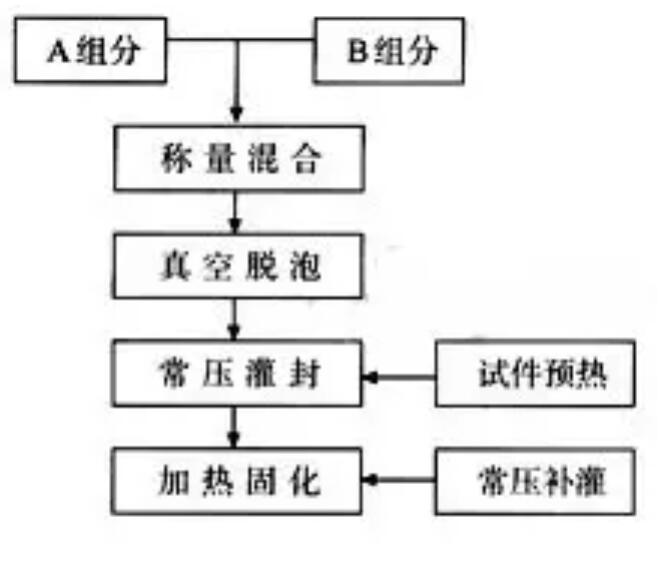
4. Potting process
Epoxy resin potting has two processes: normal and vacuum. Figure 1 shows the manual vacuum potting process flow.5. Frequently asked questions and solutions 5.1 Discharge, sparking or breakdown between lines
Due to improper potting process, the device will produce discharge, inter-wire sparking or breakdown during operation. This is because the high-voltage coil wire diameter of this type of product is very small (generally only 0.02mm~0.04mm), and the potting material cannot completely penetrate the turns, resulting in gaps between the coil turns. Since the dielectric constant of the void is much smaller than that of the epoxy potting material, an uneven electric field will be generated under alternating high voltage conditions, causing partial discharge, aging and decomposition of the material, causing insulation damage. From a process point of view, there are two reasons for the gap between the lines: (1) The vacuum degree during potting is not high enough, and the air between the lines cannot be completely eliminated, so that the material cannot be completely impregnated; (2) The preheating temperature of the product before potting is not enough, and the viscosity of the poured product material cannot be reduced quickly, which affects the impregnation. For manual potting or mixing and degassing first and then vacuum potting process, high mixing and degassing temperature of the materials, long operation time or exceeding the material pot life, and the product not entering the heating and curing process in time after potting will cause the material viscosity to increase and affect the impregnation of the coil. For thermoisotropic epoxy potting material composites, the higher the initial temperature, the smaller the viscosity, and the viscosity increases more rapidly as time goes by. Therefore, in order to ensure that the material has good impregnation of the coil, care should be taken during operation that the potting material compound should be maintained within a suitable temperature range and be used within the applicable period. Before potting, the product must be heated to the specified temperature. After potting, it must enter the heating and curing process in time. The potting vacuum must meet the technical specifications. 5.2 Shrinkage cavities, local dents, and cracks on the device surfacePotting materials will produce two kinds of shrinkage during the heating and solidification process: chemical shrinkage during the phase change from liquid to solid state and physical shrinkage during cooling. There are two processes of chemical change and shrinkage during the curing process: the shrinkage from the heating chemical cross-linking reaction after potting to the initial formation of the micro network structure is called gel pre-curing shrinkage; the shrinkage from the gel to the complete curing stage is called post-curing shrinkage. The amount of shrinkage in these two processes is different. The physical state of the former changes from a liquid state to a network structure. The consumption of reactive groups is greater than that of the latter, and the amount of volume shrinkage is also higher than that of the latter. If the potted product is cured at a high temperature, the two stages of the curing process are too close, and the gel pre-curing and post-curing are completed almost simultaneously. This will not only cause excessive heat peaks and damage components, but also cause huge internal stress in the potted parts, causing internal and external defects of the product. In order to obtain good products, it is necessary to focus on the matching of the curing speed of the potting material and the curing conditions when designing the potting material formula and formulating the curing process. The commonly used method is to solidify in different temperature zones according to the properties and uses of the potting material. In the pre-curing temperature range, the curing reaction of the potting material proceeds slowly, the reaction heat is gradually released, and the viscosity of the material increases and the volume shrinks gently. At this stage, the material is in a fluid state, and the volume shrinkage is manifested by the liquid level dropping until it solidifies, which can completely eliminate the internal stress of volume shrinkage at this stage. The temperature rise should be gentle from the gel pre-curing to the post-curing stage. After curing, the potted parts should slowly cool down in synchronization with the heating equipment to reduce and adjust the internal stress distribution of the product in many ways to avoid shrinkage holes, dents and even cracks on the product surface. When formulating the curing conditions of the potting material, we should also refer to the arrangement and fullness of the components in the potting device, as well as the product size, shape, and single potting volume. For a single potting volume with a large number of embedded components, it is absolutely necessary to appropriately lower the gel pre-curing temperature and extend the time. 5.3 The surface of the cured product is poor or partially uncuredPhenomenons such as poor surface of the cured product or partial non-curing are also mostly related to the curing process. Experts from the China Epoxy Resin Industry Association said that the main reasons are failure of the metering or mixing device and operational errors by production personnel; component A has precipitated after being stored for a long time and was not fully stirred evenly before use, resulting in an imbalance in the actual ratio of resin and curing agent; component B has been stored in the open for a long time and has failed to absorb moisture; potted parts did not enter the curing process in time during high-humidity seasons, and the surface of the object absorbs moisture. In short, obtaining a good potting and curing process is indeed an issue worthy of great attention.
7. Potting glue construction technology
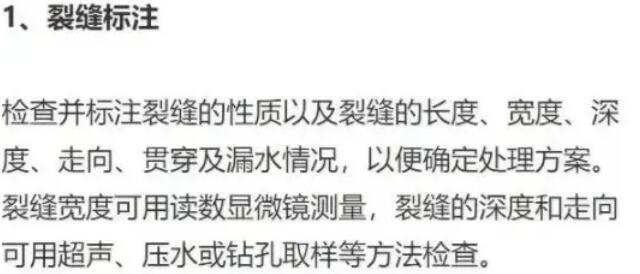 2. Surface treatment
8. Two-component glue filling process case
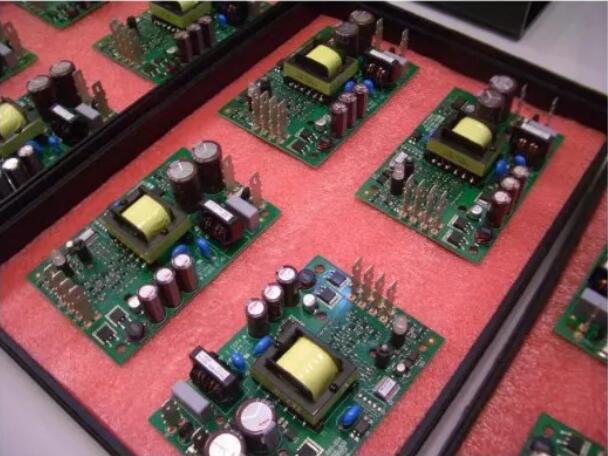
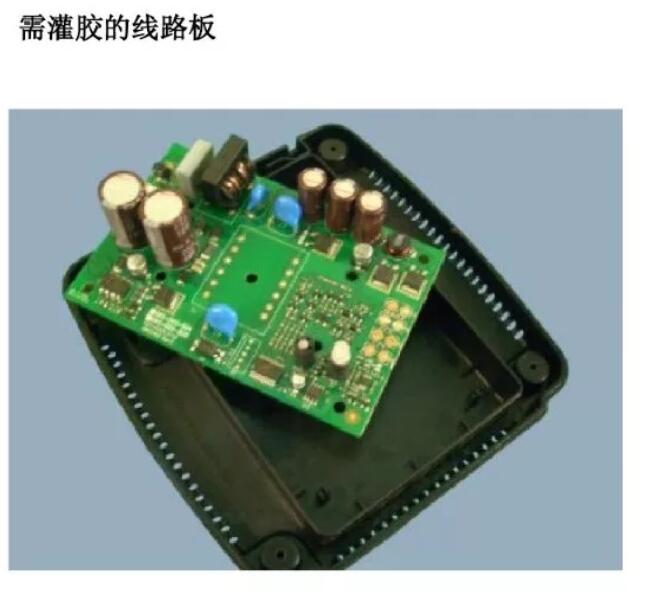
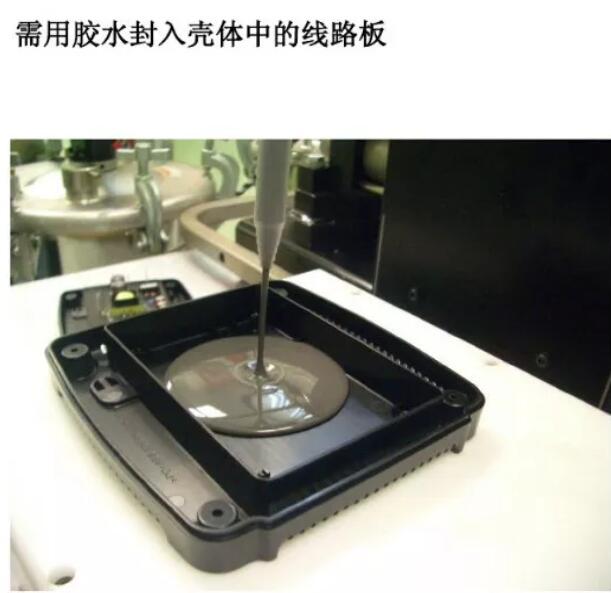
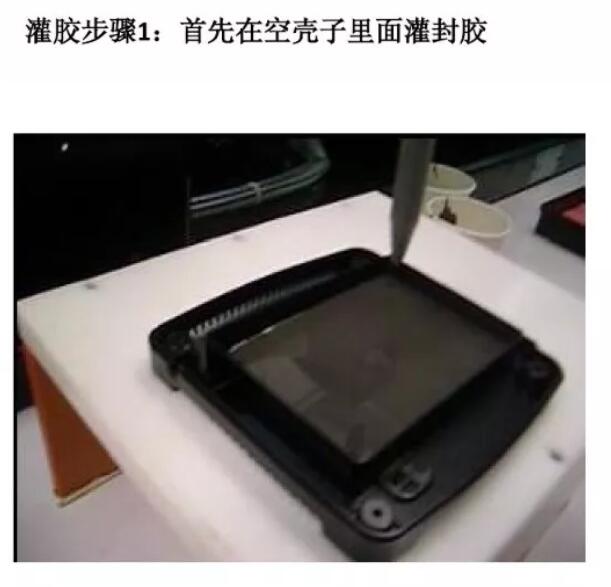
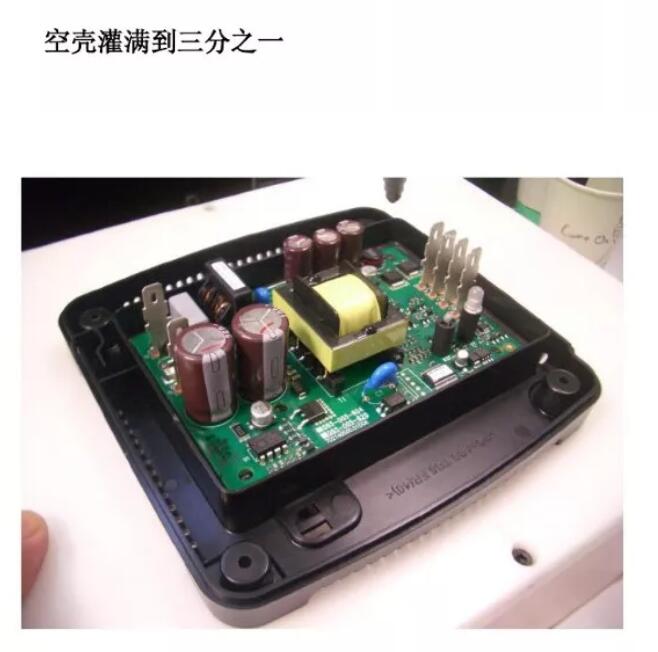
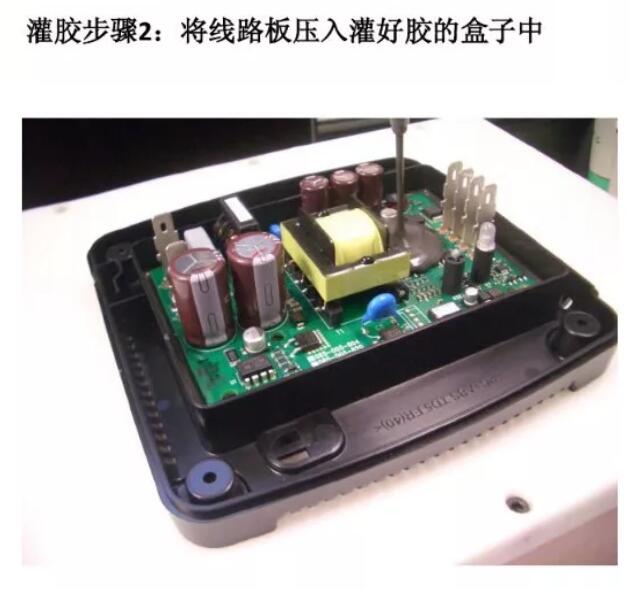
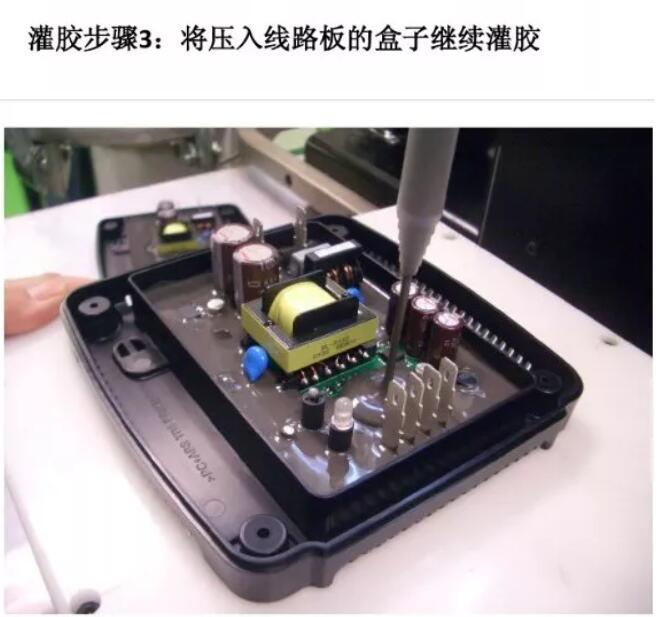
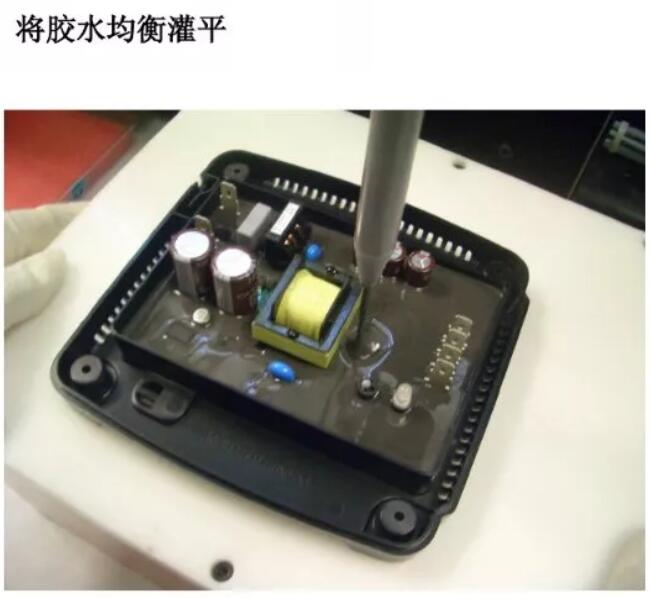
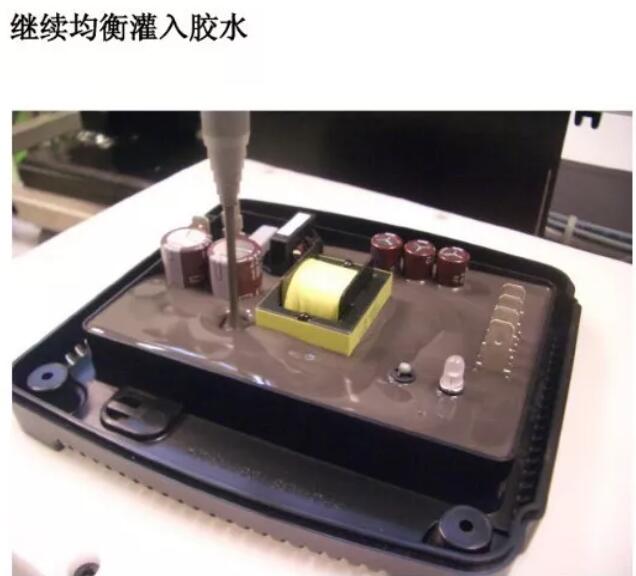
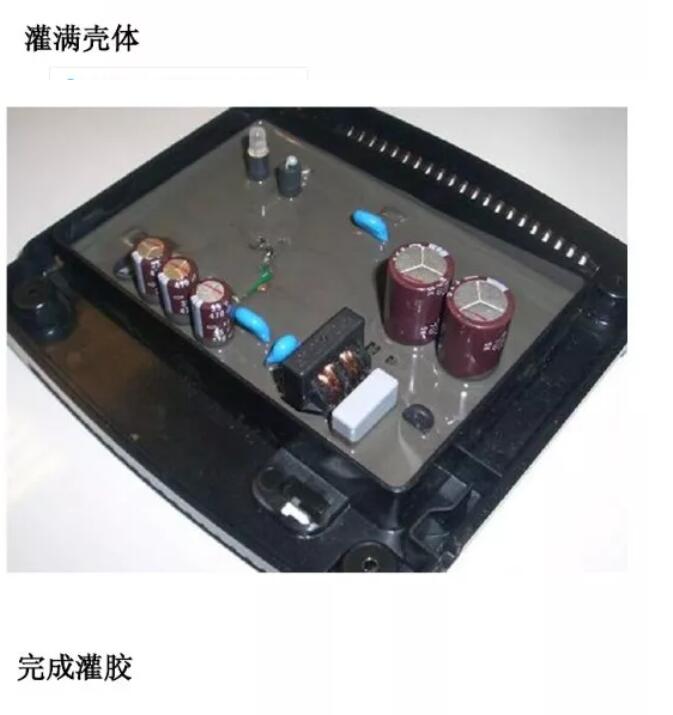
9. Three methods of PCBA glue filling
1. Semi-automatic glue filling machine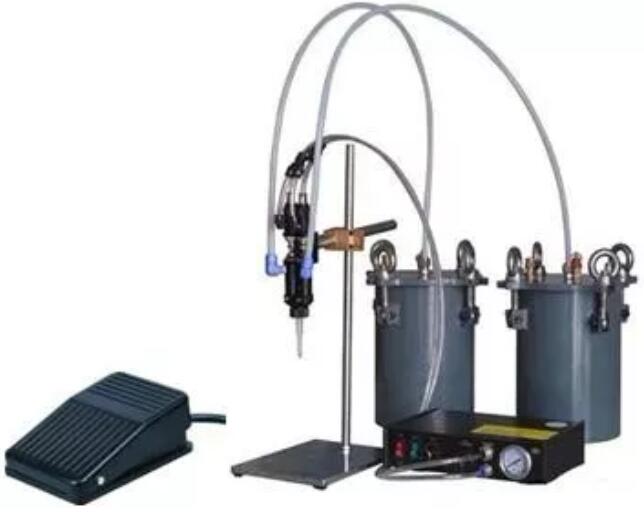 When filling the product with glue, place it next to the assembly line, manually put the product under the glue outlet head, press the start switch, the machine will automatically fill the glue, and stop automatically after the glue filling is completed. The operator then puts the glued products on the assembly line. The semi-automatic glue filling machine is suitable for all types of PCBA products, regardless of size.
2. Automatic glue filling machine
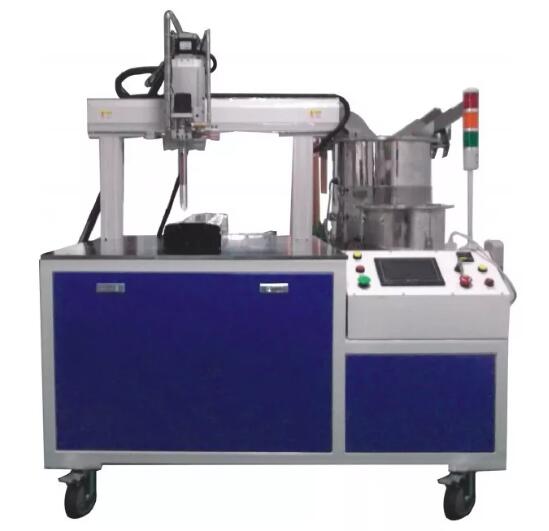 If there are mostly small products, the glue filling method is also very simple. Put the product into a jig, then place the jig on the table of the glue filling machine, press start, and the machine will start filling glue. After all glue filling is completed, it will automatically stop. Then the operator will remove the jig from the table, then put another jig with the product installed, press start, and this cycle. All the operator has to do is put the jig and press the start button.
 3. Fully automatic glue filling line
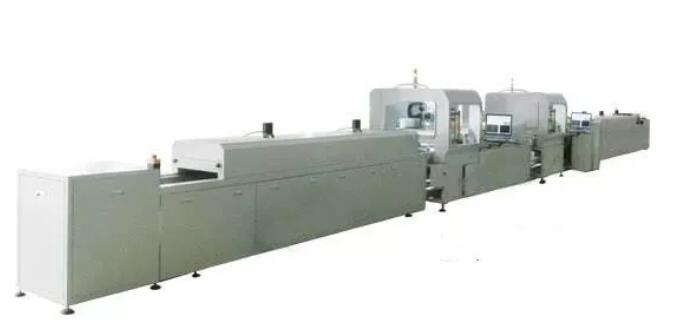 Put the jig containing the product on the transmission line, the machine will automatically fill the glue, and automatically feed the material to the oven for passing the oven, saving labor and operating efficiently.
The above are three methods of automatic glue filling. The use of automatic glue filling equipment can better save labor and improve production efficiency.
Disclaimer: This article is reproduced from "Chip House", which supports the protection of intellectual property rights. Please indicate the original source and author of the reprint. If there is any infringement, please contact us to delete it.
Company phone number: +86-0755-83044319
Fax/FAX: +86-0755-83975897
Email: 1615456225@qq.com
QQ: 3518641314 Manager Li
QQ: 332496225 Manager Qiu
Address: Room 809, Building C, Zhantao Technology Building, No. 1079 Minzhi Avenue, Longhua New District, Shenzhen
Related Recommendations
Exclusive Interview with Li Gang of Yunfan Ruida: The Precision of Millimeter-Wave Radar Products and the Warmth of Humanity
2026-07-22
2497
RF Passion, Craftsman’s Journey: Over 30 Years of Steadfast Dedication — Interview with Kinghelm Chief Engineer Mr. Qin hongxiang
2026-06-26
2665





 粤公网安备44030002007346号