
























Service Hotline
News

News
The global semiconductor industry pattern is undergoing key changes, and these three major trends deserve attention
2022-03-16
905
finalAnalysis conclusion
Final Analysis Conclusion
The global semiconductor industry pattern is undergoing key changes. Geopolitical risks and the risk of the epidemic affecting the supply chain have prompted many countries to seek to build their own semiconductor industry chains. However, in the long term, the development patterns of the semiconductor industry and the huge market demand will still promote the return of the globalization model.
The global semiconductor industry pattern is undergoing key changes. A basic trend is that the United States' semiconductor manufacturing capabilities are shrinking, and its absolute control over the semiconductor industry is also beginning to weaken; while Asia's influence on the semiconductor industry is growing, especially the manufacturing capabilities of semiconductor chips have significantly increased to a pivotal level.
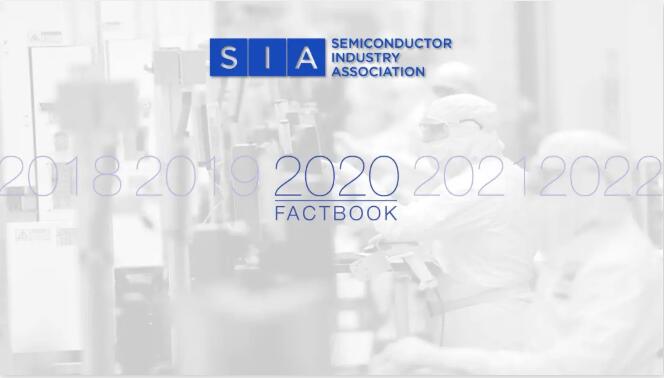
Report data from the U.S. Semiconductor Industry Association in September 2020 shows that 75% of global chip manufacturing capacity has been transferred to East Asia. The United States' share of the global semiconductor manufacturing market has dropped from 37% in 1990 to 12% today. 88% of the semiconductor chips used by U.S. industries, including the automotive and defense industries, are produced outside the United States. U.S. chip companies are increasingly relying on international partners to manufacture the chips they design, reflecting dwindling U.S. chip manufacturing capabilities. Although U.S. semiconductor companies hold 47% of the global chip sales market, only 12% are manufactured in the United States. Countries and regions such as South Korea are currently preparing to build 3-nanometer wafer fabs, while the United States does not even have a 7-nanometer wafer fab. Intel Corporation of the United States announced that its 7-nanometer fab will not be put into production until the end of 2022 or early 2023. Until then, Intel will have to outsource the production of high-end chips to foundry giants such as TSMC. In addition, Qualcomm will also rely on TSMC to make up for the lack of manufacturing capacity.
The obstacles encountered by American semiconductor giants have undoubtedly hindered the United States from manufacturing the most advanced chips. Although the United States holds relatively high shares of 85% and 50% in the field of semiconductor design software and manufacturing equipment respectively, its 12% production share shows that the United States' absolute control over the semiconductor industry is weakening. It should be pointed out that the reduction in semiconductor chip production by American companies is not just a simple investment or technical issue, but also related to the development trend of the semiconductor industry in the context of globalization. One of the reasons for the dilemma of insufficient semiconductor chip production capacity is that the barriers to entry into the semiconductor manufacturing industry are astonishingly high.
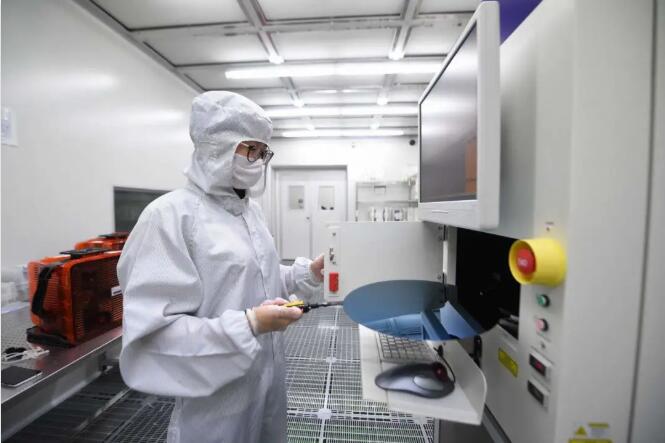
Setting up a semiconductor foundry requires a very steep learning curve: it first requires an upfront investment of US$10 billion to US$12 billion; and then it takes at least three years to put into production. Even then, there's no guarantee that a new fab's chip output will match existing chip output. In addition, chips will be rapidly iterated and widely used in consumer electronics. The resulting price pressure is a major problem in the technology industry. Therefore, there are many risks to the profitability of semiconductor companies.
It can be seen from the development trajectory of the semiconductor industry that the highly technology-intensive and capital-intensive semiconductor industry is becoming more and more globalized and increasingly relies on global collaboration to complete complex production and supply. Against this background, on the one hand, the United States has begun to weaken its investment and production of high-end chips. On the other hand, it has intervened in the global semiconductor industry and market for "national security" reasons, such as imposing restrictions on China, the world's largest semiconductor consumer market. Obviously, this kind of operation in the United States runs counter to the globalization trend of the semiconductor industry.
Under the huge market demand and extremely high industry threshold, what will be the future pattern of the global semiconductor industry?Researchers from ANBOUND think tank believe that there are some possible trends as follows that deserve the attention of the industry and market:
01
Due to factors such as geopolitical risks, supply chain risks caused by the epidemic, and the surge in chip demand in the information age, major countries and regions around the world are beginning to tend to build their own semiconductor industry chains.
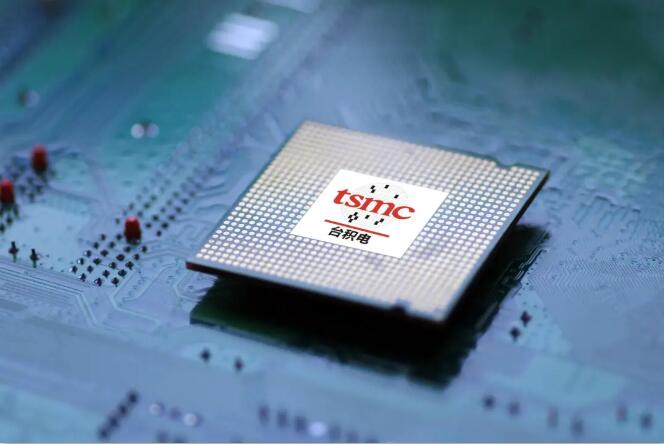
The United States requires TSMC and Samsung to invest in semiconductor production plants in the United States, and Japan is attracting TSMC investment. Japanese Minister of Economy, Trade and Industry Hiroshi Kajiyama said: "We hope to build a semiconductor supply chain in Japan again." The European Commission (EU) has set an ambitious goal to increase the homemade production of cutting-edge computer chips by 2020, hoping that by 2030, 20% of such chips (by value) will be produced within the EU. However, due to the huge investment and long road, unless there is strong national strength and firm confidence, it will be difficult to support the desire of various countries to build their own semiconductor industry chains. If multiple countries build their own industrial chains, it will undoubtedly increase the cost of the global semiconductor industry and reduce investment returns. There is reason to believe that not every country or region can succeed in investing in the semiconductor industry, and the pattern of the semiconductor industry being concentrated in a few countries and regions will not change in the future.
02
U.S. sanctions and restrictions will increase the costs of the global semiconductor industry and hinder the development of the semiconductor industry.
In the future, U.S. intervention in the semiconductor industry may face growing opposition. China is the world's largest importer of semiconductor chips. In 2020, China's chip imports climbed to nearly US$380 billion, a year-on-year increase of 14%, accounting for approximately 18% of China's total imports. According to a Bloomberg analysis of official trade data, China purchased nearly $32 billion in equipment for chip production from Japan, South Korea, Taiwan and other places in 2020, a 20% increase from 2019. According to a report from the International Semiconductor Industry Association (SEMI), China has become the largest market for semiconductor equipment in 2020. In the highly market-oriented semiconductor industry, it is obviously unsustainable to completely suppress the world's largest semiconductor market with administrative bans. It can be expected that the US ban will encounter increasing opposition from the market in the future. The strong demands of industries and markets for globalization will put pressure on the United States to relax restrictions.
03
China's semiconductor industry and consumer market will be under geopolitical pressure in the short and medium term.
Due to the adjustment of the United States' national security strategy, China is regarded as a long-term strategic competitor of the United States, which means that the United States will continue to impose continuous restrictions and suppression on China in the key semiconductor industry. In this regard, China should not take any chances and make long-term preparations for the restrictions on the semiconductor industry. How long will this period be? It’s still not clear yet, but I’m afraid it will require fundamental changes in the international geopolitical landscape to change this situation. It should be emphasized that if there is a possibility of long-term improvement in China's semiconductor industry, the reason may not come from China breaking through the U.S. technology blockade and product ban.

Judging from the development rules of the semiconductor industry, the United States' control of semiconductor technology, and the basic status of China's semiconductor industry, we believe that China is unlikely to build a semiconductor industry chain that is not affected by the United States in one or two decades. For China, the best way may be to improve geopolitical relations with the United States and return globalization to normal. Before that, China's semiconductor industry needs to maintain strategic patience.
Disclaimer: This article is reproduced from "Anbang Think Tank". This article only represents the author's personal views and does not represent the views of Sacco Micro and the industry. It is only for reprinting and sharing and supports the protection of intellectual property rights. Please indicate the original source and author for reprinting. If there is any infringement, please contact us to delete it.
Company phone number: +86-0755-83044319
Fax/FAX: +86-0755-83975897
Email: 1615456225@qq.com
QQ: 3518641314 Manager Li
QQ: 332496225 Manager Qiu
Address: Room 809, Building C, Zhantao Technology Building, No. 1079 Minzhi Avenue, Longhua New District, Shenzhen
Related Recommendations
Exclusive Interview with Li Gang of Yunfan Ruida: The Precision of Millimeter-Wave Radar Products and the Warmth of Humanity
2026-07-22
2521
RF Passion, Craftsman’s Journey: Over 30 Years of Steadfast Dedication — Interview with Kinghelm Chief Engineer Mr. Qin hongxiang
2026-06-26
2689





 粤公网安备44030002007346号